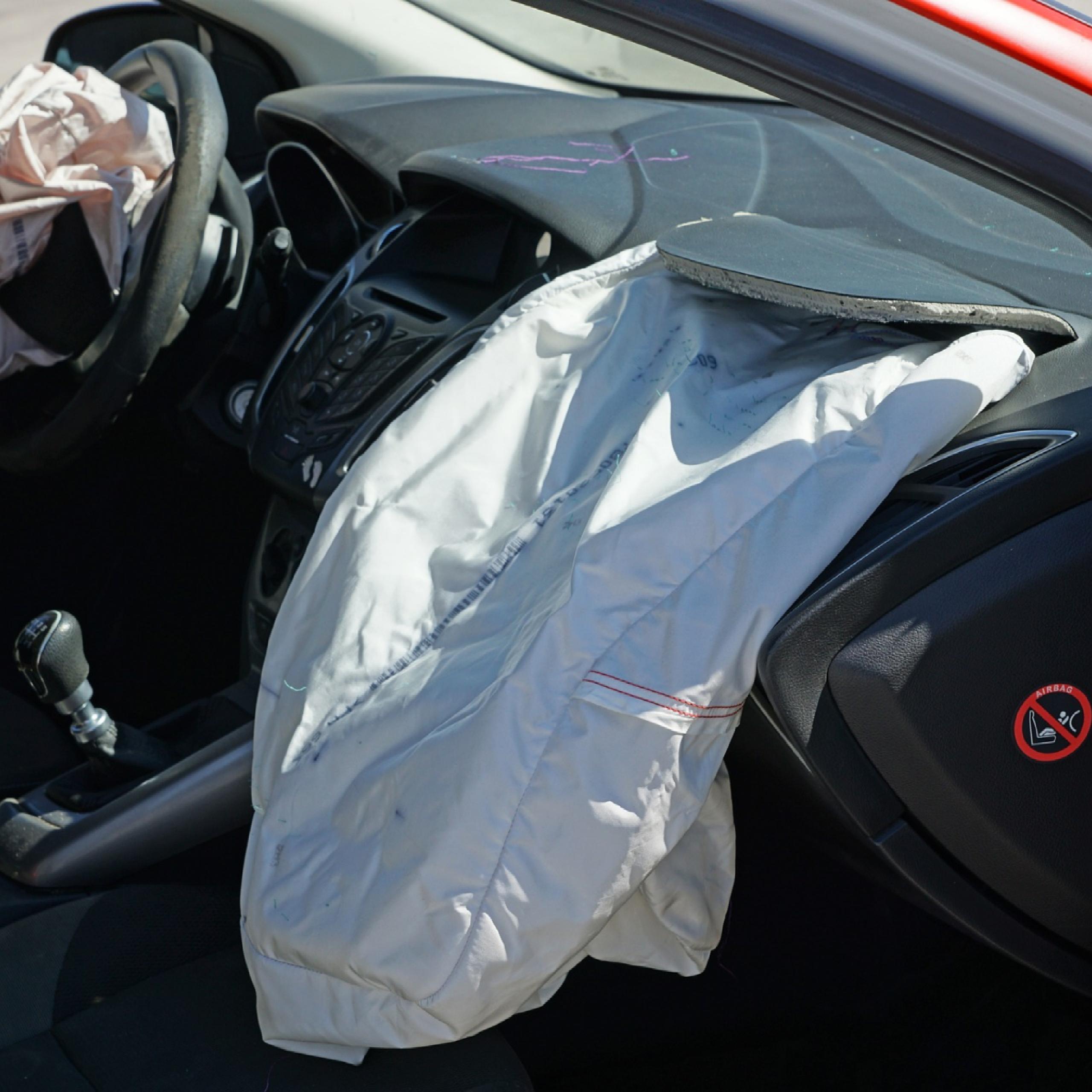



Car accidents happen every day in Philadelphia – from fender benders on Market Street to multi-vehicle crashes on I-95. In the moments after a collision, it’s completely normal to feel shaken or unsure of what to do next. Yet the actions you take right now can make a huge difference to your health, safety, and your ability to claim fair compensation later.
This guide explains exactly what to do, step-by-step, after a car accident in Philadelphia. You’ll learn how to stay safe, meet your legal obligations under Pennsylvania law, and protect your rights if someone else was at fault.
At Rand Spear The Accident Lawyer, we’ve helped thousands of Pennsylvanians recover damages after serious crashes. Here’s how to take control of the situation from the very first moment.
Step 1: Check for Injuries and Call 911
Your first priority is always safety.
- Check yourself and your passengers for injuries. Even minor pain, dizziness, or confusion can indicate a hidden injury such as whiplash or a concussion.
- Call 911 immediately if anyone is hurt or if vehicles are blocking traffic. In Philadelphia and across Pennsylvania, you’re legally required to report any accident that causes injury, death, or major property damage.
- Do not try to move anyone who appears seriously injured unless they’re in immediate danger (for example, if a vehicle is smoking or leaking fuel). Wait for trained medical responders.
- When police arrive, they’ll prepare an official crash report — a crucial piece of evidence for your insurance claim or injury case. Make sure you obtain the report number before leaving the scene.
- If emergency services advise you to visit a hospital, go even if you feel fine. Many injuries aren’t immediately visible and may be delayed.

Step 2: Move to Safety and Secure the Scene
If your vehicle can still be driven, move it to a safe nearby location – such as the shoulder of the road or a nearby parking area – to prevent further collisions. Turn on your hazard lights immediately to alert oncoming traffic.
If your car is disabled, switch on the hazards and, if you have them, place cones or warning triangles a few feet behind your vehicle. Stay inside your car with your seat belt fastened until it’s safe to exit.
Avoid standing in traffic lanes. If you must get out, step well away from moving vehicles and any fuel spills. Never leave the scene entirely unless you’ve exchanged details with the other driver and spoken to police. Under Pennsylvania law, leaving the scene of an accident involving injury or damage can lead to serious penalties.
Once you’ve secured the area, take a moment to steady yourself before beginning to collect information. Remaining calm and methodical will help you later when recalling what happened.
Step 3: Gather Evidence at the Scene
The evidence you collect immediately after a crash often becomes the backbone of your claim. The goal is to document everything while the details are still fresh.
If it’s safe to do so, take photos and video of:
- All vehicles involved, from multiple angles
- License plates and visible damage
- Skid marks, debris, or fluid on the roadway
- Weather and lighting conditions
- Traffic signals, stop signs, or landmarks nearby
- Any visible injuries to yourself or passengers
Exchange key information with the other driver(s):
- Full name, address, and phone number
- Driver’s license number
- Insurance company and policy number
- Vehicle make, model, and registration
If there are witnesses, politely ask for their names and contact details – independent accounts often help establish fault later.
Keep your tone factual and polite, and avoid arguments. Do not admit fault or apologise, even casually. Statements made at the scene can be used against you by insurers or opposing lawyers.
Finally, make a few quick notes on your phone: the time, location, direction of travel, and anything unusual you noticed before the crash. These small details can be invaluable when your attorney builds your case.

Step 4: Avoid Admitting Fault or Making Statements
In the stress and confusion after a crash, it’s natural to want to apologise or explain what happened. But it’s critical to stay neutral until all facts are known.
Even a simple “I’m sorry” can be interpreted as an admission of fault by insurers or the other driver’s legal team.
When speaking to police officers, stick strictly to the facts:
- Where you were coming from and heading to.
- The speed you were travelling (if asked).
- What you saw immediately before impact.
Do not guess or speculate about causes – for example, avoid saying things like “I might have been going too fast.”
If you don’t know, simply say so.
When an insurance representative calls, keep the conversation brief. You can provide your basic details but decline to give a recorded statement until you’ve spoken to an attorney.
Insurance adjusters are trained to minimize payouts; they may use inconsistencies or casual remarks to reduce your claim’s value.
Let Rand Spear’s legal team handle those communications for you. They’ll ensure that every statement you make strengthens your position, not weakens it.

Step 5: Seek Immediate Medical Evaluation
Even if you believe you’re uninjured, get checked by a doctor as soon as possible. Many crash-related injuries – such as whiplash, internal bleeding, or mild traumatic brain injury – may not show symptoms for hours or days.
A prompt medical evaluation serves two critical purposes:
- Protecting your health – early treatment prevents minor injuries from becoming long-term problems.
- Protecting your legal claim – your medical records form the foundation for proving your injuries and the compensation you deserve.
Visit an emergency room, urgent-care clinic, or your GP within 24 hours of the crash. Describe every symptom, even mild ones, so they’re documented. Follow all recommended treatments and keep copies of bills, prescriptions, and doctor’s notes.
If the insurance company later disputes your injuries, your medical documentation will prove that they were directly caused by the collision. Your attorney will use these records to demand full reimbursement for medical costs, lost wages, and pain and suffering.
Step 6: Report the Accident to Your Insurance Company
Once you’ve ensured everyone’s safety and sought medical care, you’ll need to notify your insurance company about the crash. In Pennsylvania, this must be done within a reasonable time, and most policies require prompt notice – ideally within 24 hours.
When reporting:
- Stick strictly to facts. Explain where and when the crash occurred, who was involved, and the type of vehicles damaged.
- Avoid speculating about fault or the extent of anyone’s injuries.
- Do not agree to a recorded statement or accept any settlement offer until you’ve spoken to a lawyer.
Insurance adjusters often appear friendly, but their job is to limit payouts. Early offers usually don’t reflect the full cost of medical bills, lost income, or long-term effects of your injuries.
If you’ve already hired Rand Spear The Accident Lawyer, simply refer all communications to your attorney. Our team deals with insurers every day and ensures nothing you say can be used against you. We’ll handle the paperwork, deadlines, and negotiations while you focus on recovery.
Step 7: Contact a Philadelphia Car Accident Attorney
Even what seems like a straightforward car accident can quickly become complicated. Liability disputes, medical-bill delays, and uncooperative insurers are common – and they can cost you thousands if you try to handle them alone.
Contacting an experienced Philadelphia car accident lawyer as soon as possible gives you immediate advantages:
- Your attorney will preserve key evidence before it disappears.
- They’ll obtain the police report, witness statements, and medical documentation on your behalf.
- They’ll negotiate with insurers to pursue the maximum settlement available under Pennsylvania law.
- If necessary, they’ll file a lawsuit to secure compensation for your medical expenses, lost wages, pain and suffering, and other damages.
At Rand Spear The Accident Lawyer, we’ve represented injured Philadelphians for decades. We work on a contingency-fee basis, meaning you pay nothing unless we win your case.
Our firm is available 24/7 – because accidents don’t wait for business hours.
If you or a loved one has been injured in a Philadelphia car accident, call 1-800-90-LEGAL or start your free case review online today. We’ll protect your rights, handle every detail, and help you move forward with confidence.
Step 8: Common Mistakes to Avoid After a Car Accident
Even small missteps can seriously weaken your injury claim. Avoid these common mistakes to protect both your health and your legal rights:
- Leaving the scene too early
Never leave without exchanging details and waiting for police to arrive if anyone is injured or property is damaged. Pennsylvania law requires you to remain at the scene until it’s properly reported.
- Delaying medical treatment
If you “tough it out” or wait days before seeing a doctor, insurers may argue your injuries aren’t related to the crash. Always get checked immediately.
- Admitting fault or apologising
You might simply be trying to be polite, but statements like “I didn’t see you” or “I’m sorry” can be used to assign blame. Stick to the facts and let investigators determine fault.
- Posting about your accident on social media
Insurance companies routinely monitor social media. A single post or photo can be taken out of context to dispute your injuries. Keep details private until your case concludes.
- Accepting the first settlement offer
Initial offers are almost always lower than you deserve. Once you sign, you give up your right to further compensation. Always review any offer with your attorney before agreeing.
- Trying to handle everything alone
Car accident cases involve medical evidence, complex insurance policies, and strict legal deadlines. Having a dedicated lawyer ensures nothing is missed and every possible benefit is pursued.
Avoiding these mistakes helps you preserve the full value of your claim and ensures the process runs as smoothly as possible.
Frequently Asked Questions
Q1: Do I have to call the police for a minor car accident in Philadelphia?
Yes. Even for minor collisions, it’s best to call 911 so police can create an official crash report. This documentation can be vital if injuries later appear or damages are disputed.
Q2: How long do I have to file a car accident claim in Pennsylvania?
Under Pennsylvania law, you typically have two years from the date of the accident to file a personal injury lawsuit. Waiting too long can permanently bar your claim, so act quickly.
Q3: What if the other driver doesn’t have insurance?
You may still recover damages through your own uninsured/underinsured motorist coverage or other legal avenues. A lawyer can identify all potential sources of compensation.
Q4: How much does it cost to hire Rand Spear The Accident Lawyer?
Nothing upfront. We work on a contingency-fee basis, meaning we only get paid if we win your case. There are no hidden fees or hourly charges – ever.
Conclusion
The moments after a crash can be overwhelming, but what you do next matters. By staying calm, gathering evidence, seeking medical attention, and contacting a trusted Philadelphia car accident attorney, you set yourself up for the best possible recovery—physically and financially.
If you’ve been injured in a car accident anywhere in Philadelphia or across Pennsylvania, reach out to Rand Spear The Accident Lawyer today. Call 1-800-90-LEGAL or start your free consultation online now.
Call or text (215) 985-2424 or complete a Free Case Evaluation form