

Callowhill, Philadelphia Personal Injury Lawyers
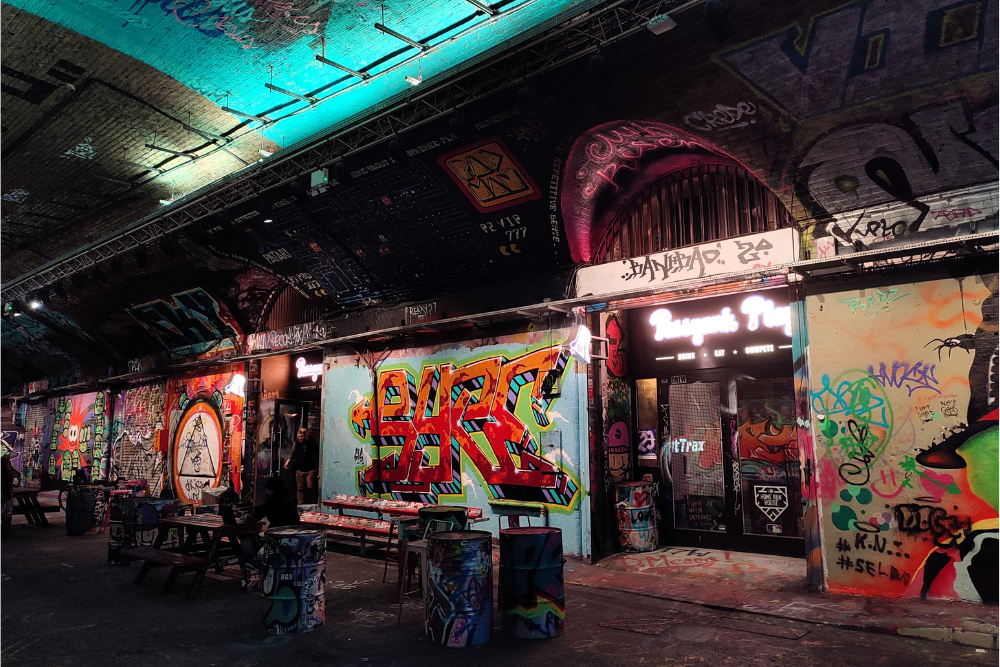
Callowhill sits on the northern lip of Center City, where a sunken six-lane interstate forms the southern wall of the neighborhood, a 19th-century rail viaduct cuts diagonally through an orthogonal grid, and four-to fourteen-story loft conversions look down onto industrial-era curbs poured for freight wagons. That layered geometry concentrates risk into a small set of crossings shared by SEPTA riders, Pennsylvania Convention Center attendees, and drivers decelerating off the Vine Street Expressway.
At Rand Spear – The Accident Lawyer, our family-run firm has spent decades guiding injured Philadelphians through multi-party investigations. We have recovered $1 billion in settlements and verdicts for Pennsylvania and New Jersey clients, drawing on more than 200 years of combined trial experience.
Callowhill, Philadelphia: From Industrial Spine to a Loft District Crash Funnel
Callowhill takes its name from Hannah Callowhill, William Penn’s second wife, and the neighborhood took its modern shape in the late 19th century as a manufacturing spine for the Reading Railroad and the Baldwin Locomotive Works. By the 1920s, factory walls lined Hamilton, Pearl, and North Broad, moving freight, garments, and printing plates through doorways built for hand trucks. A century later, those buildings hold residential lofts, and the curbs poured for freight wagons carry the foot and rideshare traffic of a Center City-edge neighborhood.
Located just north of Vine Street, Callowhill is anchored by a Loft District core bounded by Pearl, North Broad, Hamilton, and the Reading Viaduct, and three-layered facts decide how crash risk concentrates here. The Callowhill Industrial Historic District earned its National Register listing on June 28, 2010, with 31 contributing buildings predating modern street and curb design. The Reading Viaduct opened in 1893 and reopened in 2018 as Phase 1 of The Rail Park, leaving a diagonal scar that disrupts driver sightlines at Callowhill/12th and Noble/13th.
Additionally, the Vine Street Expressway funnels roughly 80,000 vehicles a day through a sub-grade trench whose ramps surface within a block of the Convention Center. Weekend traffic to corridor anchors like Love City Brewing on Hamilton, Prohibition Taproom at 13th and Spring Garden, and Wood Street Pizza near the Rail Park entrance at 12th pulls rideshare and circling drivers onto blocks.
Local advocacy comes from the Callowhill Neighborhood Association and the Philadelphia Department of Streets, which writes the sidewalk-repair rules governing the district’s mixed-era curbs. Sub-grade ramps, skewed Rail Park crossings, and event-driven traffic pose serious risks to drivers, transit riders, pedestrians, and rideshare passengers.
The Callowhill, Philadelphia Injury Cases Our Attorneys Take On
According to the Vision Zero Action Plan 2030, 12% of Philadelphia streets generate 80% of traffic deaths and serious injuries. Our attorneys handle claims rooted in those conflict points, including but not limited to:
- Bus and SEPTA Accidents: Race-Vine and Broad-Spring Garden stations discharge riders into the Convention Center pedestrian flow, where SEPTA routes 4, 16, and 27 also operate.
- Car Accidents: Concentrated where I-676 ramps surface at Broad, 9th, and Callowhill and meet crosstown signals within a single block.
- Truck Accidents: Convention Center loading on Race and Broad pulls tractor-trailers onto narrow streets like 12th and 13th.
- Pedestrian Accidents: Exposure peaks at Broad/Vine, Broad/Race, Broad/Spring Garden, and the Rail Park entries at Callowhill/12th and Noble/13th.
- Uber and Lyft Accidents: Convention and nightlife pickup clustering pushes Uber and Lyft into double-parked positions on tight blocks.
We pursue full compensation for medical bills, lost wages, and pain and suffering for injured Callowhill residents and visitors.
Five Streets That Shape Crash Risk in Callowhill, Philadelphia
Residents and visitors should watch out for these high-risk roads:
- Vine Street Expressway / I-676: The sunken interstate sits roughly 26 feet below grade, and ramps at Broad, 9th, and Callowhill produce blind merges where decelerating drivers meet pedestrians and SEPTA buses inside one signal cycle.
- Broad Street: A flagged High Injury Network corridor with active PennDOT speed cameras; Convention Center surges concentrate rideshare and tour-bus traffic at Broad/Arch and Broad/Race.
- Spring Garden Street: A high-volume crosstown arterial with documented crash and flooding history near Broad/Spring Garden.
- I-676 Ramp Connections: Surface Vine lanes form five- and six-leg junctions with on/off ramps, forcing drivers to distinguish local Vine from eastbound and westbound ramps in seconds.
- Callowhill Street and 12th/13th Near The Rail Park: The diagonal viaduct and surviving stone piers create skewed crossings and blind corners at Callowhill/12th and Noble/13th.
Beyond the Big Corridors: Other Callowhill, Philadelphia Crash Hazards
Beyond the major corridors, several hazards drive Callowhill injury claims:
- Convention Center Loading and Event Surges: Trucks, taxis, and rideshare concentrate at Broad/Arch and Broad/Race within a single curb cut. Lane-blocking and pedestrian conflicts follow when drivers compete for the same loading-zone seconds.
- Sub-Grade Ramps and Blind Merges: Where I-676 ramps surface within a single block, drivers come up from interstate speed into local Vine signal cycles. The grade change itself is the hazard.
- Pre-War Granite Curbs and Loft Canyons: The canyon effect of 4-to-14-story loft buildings on narrow streets cuts nighttime visibility on internal blocks. Pedestrian-conspicuity crashes cluster on the Loft District blocks fed by 12th and 13th.
Why Injured Callowhill, Philadelphia Residents Demand Rand
When a Callowhill collision involves a SEPTA bus on Spring Garden Avenue, a truck on 13th Street, a rideshare on Callowhill Street, or a driver emerging from the I-676 trench, liability rarely rests with a single party. These crashes often involve overlapping points of impact, multiple traffic controls, and conflicting accounts from several drivers.
Our attorneys understand how corridors function during rush hour, conventions, and evening traffic. Demand Rand for full accountability!
Callowhill Personal Injury Questions: What You Should Know
- How Long Do I Have to File a Personal Injury Claim After a Callowhill Crash?
Pennsylvania’s statute of limitations is two years from the date of injury. Claims involving a government entity (the City, PennDOT, or SEPTA) require separate written notice within six months.
- Who Is Liable for a Crash on the Vine Street Expressway?
I-676 is a PennDOT-administered interstate. Liability typically follows the at-fault driver, but where roadway design or maintenance is implicated, claims against PennDOT trigger the 6-month notice rule.
- Are SEPTA bus or Broad Street Line Accidents Handled Differently?
Yes. SEPTA is a Commonwealth instrumentality, so crashes involving its buses or the Race-Vine and Broad-Spring Garden Stations require the 6-month government-entity notice in addition to the 2-year deadline.
- What Compensation Can I Recover After a Serious Callowhill Accident?
You may be eligible for medical bills, lost wages, and pain and suffering, plus future care costs and property damage where applicable.
- What Does it Cost to Hire a Callowhill Personal Injury Attorney?
Our firm works on a “no fee until victory” basis and offers free personal injury consultations.
Injured in Callowhill? Contact Our Skilled Callowhill, Philadelphia Personal Injury Lawyers at Rand Spear – The Accident Lawyer
If a crash on Broad, Vine, Spring Garden, or a Callowhill loft block has left you hurt, reach out to Rand Spear – The Accident Lawyer. Call 215-985-0138 or contact us online for a free consultation with our Callowhill, Philadelphia personal injury lawyers. From offices in Philadelphia, Cherry Hill, and Marlton, NJ, we proudly serve clients across Pennsylvania and New Jersey.