

In the minutes after a car accident in Philadelphia, most people focus on safety, medical care, and getting vehicles out of the way. That is exactly what you should do. But there is another task that can quietly shape what happens next: preserving what independent people saw and heard. Witness statements can clarify how the crash unfolded, confirm road and weather conditions, and help resolve disputes when drivers give different versions of events. They can also strengthen an insurance claim when the other driver denies fault or when there is limited physical evidence.
Philadelphia crashes often happen at busy intersections, on narrow residential streets with parked cars, or in stop and go traffic where drivers disagree about who had the right of way. Cameras are not always available, and even when they are, footage may be overwritten or difficult to obtain quickly. A clear, timely witness statement can fill those gaps by capturing observations while memories are fresh.
Witness information is also time-sensitive. People leave the scene, phone numbers change, and details blur. Collecting the right information does not require legal training, but it does require a calm, organized approach. This article explains why witness statements matter in Philadelphia car accident claims, who can be a credible witness, how to collect statements at the scene and after the crash, and practical answers to common questions.
Why witness statements matter in Philadelphia car accident claims
Witness statements matter because car accident claims frequently turn on credibility. Insurance companies evaluate liability by comparing driver statements, vehicle damage, police documentation, medical records, and any available video. When two drivers disagree, an independent witness can become the most persuasive piece of the puzzle because that person generally has no financial stake in the outcome.
In Philadelphia, witness statements can be especially helpful in common disputed scenarios. At intersections, a witness may confirm which driver had a green light, whether someone turned left across traffic, or whether a driver sped through a yellow. In rear-end collisions, a witness might report that the lead driver stopped suddenly without reason, that the trailing driver was distracted, or that traffic was already stopped. In sideswipe and lane-change crashes, a witness can identify which vehicle drifted, whether a turn signal was used, and how much room there was between cars.
A strong statement can also support details that do not show up in photos. Witnesses may notice a driver looking down at a phone, drinking, appearing drowsy, or showing signs of impairment. They may hear admissions like “I did not see you” or “I was in a hurry,” which can matter later if the driver changes their story. They can also describe road hazards like potholes, obstructed signage, or poor visibility due to rain or glare.
Timing is critical. Human memory degrades quickly, and later discussions with friends, online posts, or repeated retellings can unintentionally alter recollection. A statement taken soon after the crash tends to be more detailed and reliable. Even if you do not get a full written statement at the scene, collecting a witness’s name and contact information can allow an adjuster, investigator, or attorney to follow up promptly.
Finally, witness statements can influence settlement value. If fault is clearer, the claim may resolve faster and with less back and forth. If the case ends up in litigation, witnesses can be interviewed formally, and their observations may be used to challenge inconsistent accounts. The bottom line is that credible, timely witness evidence can reduce uncertainty, and uncertainty is often what insurers use to minimize or deny claims.
Who can be a witness and what makes a statement credible
A witness is anyone who perceived something relevant to the crash or its aftermath. That includes people who saw the collision itself and people who observed key moments right before or right after impact. In Philadelphia, witnesses commonly include other drivers, passengers in uninvolved vehicles, pedestrians, cyclists, delivery workers, construction workers, rideshare passengers, or nearby residents who looked out a window when they heard the crash. Employees at nearby businesses may also have useful observations, even if they only heard a screech, saw a vehicle speed away, or noticed a driver acting unusual afterward.
Not all witnesses carry the same weight. Credibility usually increases when the witness is independent and has no relationship to either driver. Passengers in your vehicle can absolutely be witnesses, and their accounts can be important, but insurers may view them as less neutral. The same can be true for friends or family members who arrive after the crash. Neutrality is not the only factor, though. A credible witness is someone who can describe what they personally observed, clearly and consistently, without exaggeration.
Several features tend to make a statement stronger:
The witness had a good vantage point and enough time to observe. Someone standing at a corner facing the intersection may be more reliable than someone who only caught a glimpse in a side mirror.
The statement is specific. Credible witnesses describe concrete details such as lane positions, traffic signals, approximate speeds, and the sequence of events. Vague conclusions like “Driver A was reckless” are less helpful than “Driver A accelerated and entered the intersection after the light changed.”
The witness distinguishes facts from assumptions. For example, “I saw him looking down at his lap for several seconds” is different from “He was texting.” The first is an observation, the second is an inference.
The statement is timely and consistent. The closer in time to the crash, the less chance that memory will shift. Minor differences over time are normal, but major changes can undermine reliability.
The witness appears unbiased and composed. Angry, intoxicated, or highly emotional witnesses can still provide useful information, but their demeanor may affect how seriously an adjuster or jury takes them.
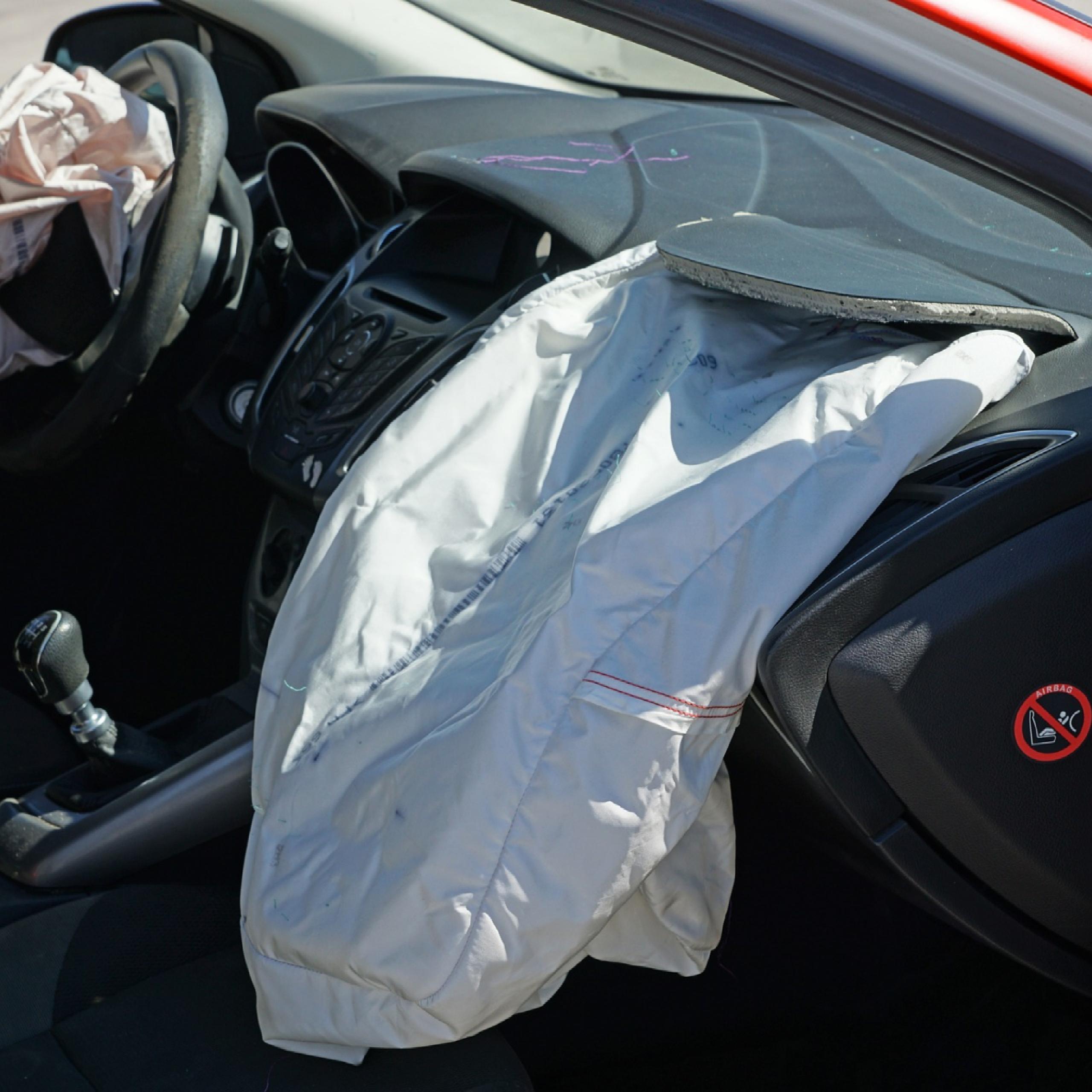
Also remember that credibility is not just about fault. A witness can help establish injuries and damages. Someone might observe that you were in pain, struggling to move, disoriented, or that airbags deployed and you hit your head. Those details can support medical documentation, especially when symptoms develop later.
How to collect witness statements at the scene and after the crash
At the scene, your priority is safety and medical care. If anyone is injured, call 911. If you are able to gather witness information without putting yourself at risk, do so calmly and respectfully. In Philadelphia traffic, people often leave quickly, so your goal is to preserve contact details and a short snapshot of what they observed.
Start by identifying potential witnesses. Look for people who stopped nearby, pedestrians who are still watching, other drivers who pulled over, or workers at a nearby storefront. Ask politely: “Did you see what happened?” If they say yes, ask for their name, phone number, and email. If they are willing, ask where they were positioned and what they saw in their own words. Keep the conversation brief. Avoid arguing about fault, and do not coach them on what to say.
If you can, write down or record the statement. A quick voice memo on your phone can work well, as long as the witness consents. Ask them to state their name, the date and time, where they were standing or driving, and what they observed. Encourage detail about the sequence: which direction each car was traveling, what the traffic signal showed, who changed lanes, whether there were sudden stops, and any unusual behavior. If the witness declines to be recorded, take notes. Capture exact phrases, especially if the other driver made an admission.
Photos can supplement statements. Without interfering with safety or first responders, take pictures of vehicle positions, skid marks, debris, traffic signals, signs, and lighting conditions. These images can later help a witness explain what they saw, and they can help confirm that the witness’s vantage point makes sense.
After the crash, follow up quickly. Within a day or two, send a short text or email thanking the witness and confirming their preferred contact method. Ask if they are willing to provide a written statement. A written statement should be in their own words, dated, and include a description of what they personally observed, where they were located, and how confident they are in those observations. Do not pressure them. If they hesitate, it may be enough that they are willing to speak with an insurance adjuster or investigator later.
Be careful about privacy and social media. Do not post witness names or statements online. Do not ask witnesses to share opinions publicly. Keep communications factual and respectful.
If a witness is reluctant because they fear involvement, you can reassure them that most claims resolve without court appearances. Still, you should be honest: they may be contacted later if the facts are disputed. If you cannot locate witnesses yourself, there may be other avenues, such as the police report listing contact information, or reaching out to nearby businesses that may have employees who saw the collision. The earlier you act, the more likely it is that people will remember details and respond.

FAQs
How do I find witnesses if I was too injured or shaken to ask at the scene?
If you could not collect witness information, you can still try to identify witnesses afterward. Start with the police report, which may list names, phone numbers, or brief summaries of witness accounts. If you have photos of the scene, look for vehicles that stopped nearby and note license plates, then share those details with your insurer or attorney, who may be able to investigate further. You can also return to the crash location in Philadelphia at a similar time and day to see which businesses were open and who might have been working. Sometimes employees remember a significant collision, especially if it caused traffic disruption. Act quickly because staff schedules change and memories fade. If you locate a potential witness, keep your outreach simple: ask whether they observed the crash and whether they are willing to share what they saw.
Should I get a written statement, a recorded statement, or both?
Either can be useful, and the best option depends on what the witness is comfortable with. A written statement is easy to store and review, and it can help lock in details while memory is fresh. It should be dated, include the witness’s contact information, and describe where they were and what they personally observed. A recorded statement, such as a voice memo, can capture tone, spontaneity, and exact wording, which can be valuable if there is a later dispute about what was said. If you record, always ask for consent first and identify the date, time, and location. If the witness is hesitant, do not push. Sometimes the most important step is simply securing reliable contact information so the witness can be interviewed later by the appropriate party.
What if the witness only saw part of the crash?
Partial observations can still matter. Many disputes turn on what happened in the seconds before impact, such as which lane a car occupied, whether a turn signal was used, or whether traffic was already stopped. A witness who saw only the approach to the intersection may be able to confirm a red light or a sudden lane change. A witness who arrived immediately afterward may not know who caused the crash, but may notice signs of impairment, distracted behavior, or admissions made by a driver. Even details like the location of debris or the final resting positions of vehicles can support accident reconstruction. When you take the statement, encourage the witness to focus on exactly what they saw and to avoid guessing. A clear partial statement can be more credible than an overconfident full narrative.
Can a passenger in my car be a witness, or will they be ignored?
A passenger can absolutely be a witness, and their perspective may be important, especially regarding what you were doing immediately before the crash and the impact itself. However, insurers often view passengers as less neutral because they may care about your outcome. That does not make their statement worthless. It simply means it should be as factual and detailed as possible and, ideally, supported by other evidence such as photos, vehicle damage patterns, medical records, or neutral witnesses. Passengers should describe where they were seated, whether they were wearing a seat belt, what they observed about traffic signals or lane positions, and what they felt during the collision. They should avoid legal conclusions like “the other driver was 100 percent at fault” and stick to observations such as “our car was stopped at the light when we were hit from behind.”
What if the witness changes their story later or stops responding?
This happens, and it is one reason early documentation is so valuable. People may second-guess themselves, forget details, or become reluctant once they realize there may be follow-up calls. If you obtained a dated written statement or a consensual recording soon after the crash, that earlier account can help show what the witness remembered at the time. If the witness becomes unresponsive, provide their last known contact information to the insurer or your attorney so they can attempt follow-up through formal channels. Avoid repeated messages that could be perceived as pressure. If the case becomes contested, formal procedures may be available to secure testimony, but that depends on the specific situation. The practical takeaway is to gather accurate contact information, document promptly, and keep communications respectful and limited.
Do I have to give the other driver’s insurance company the witness’s contact information?
You may be asked for witness information, and sharing it is often part of moving a claim forward, especially if you want the insurer to interview the witness. That said, you should be careful about how information is provided and how statements are characterized. Provide names and contact details accurately and avoid summarizing the witness’s account in a way that could be misunderstood. If you have a written or recorded statement, think carefully before handing it over without advice, because context matters and insurers may interpret language narrowly. If you are unsure, especially in a serious injury crash or a disputed liability situation, it can help to speak with a lawyer first to understand how witness evidence should be preserved and presented. The goal is to keep the process factual and to prevent avoidable miscommunications.

Conclusion and when to consider getting legal help
Witness statements often make the difference between a straightforward Philadelphia car accident claim and a frustrating battle of competing stories. The strongest statements come from neutral witnesses who had a clear view, describe concrete details, and provide their account soon after the collision. If you can safely do so, gather names and contact information at the scene, note where the witness was located, and preserve a brief statement in their own words. Afterward, follow up quickly while memories are still fresh, and keep communications respectful, factual, and private.
You should consider getting legal help when injuries are significant, fault is disputed, there are multiple vehicles involved, or you are concerned that evidence will disappear. Legal guidance can also be important when witnesses are hard to locate, when an insurer challenges credibility, or when you suspect that recorded statements are being taken out of context. An attorney can help collect and preserve statements properly, coordinate follow-up interviews, and connect witness evidence to the broader proof needed to support liability and damages.
For Philadelphia crash victims who want help understanding next steps and protecting witness evidence, you can learn more at https://randspear.com
Call or text (215) 985-2424 or complete a Free Case Evaluation form