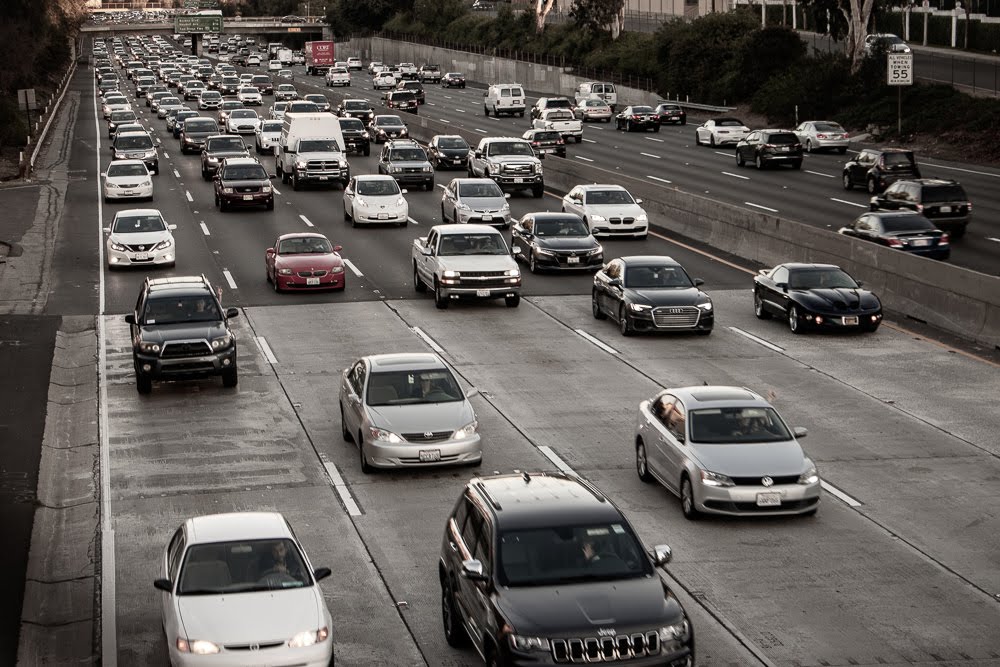



Northeast Philadelphia is one of the most heavily traveled sections of Philadelphia, shaped by wide arterial roads, dense commercial corridors, and commuter traffic flowing between Bucks County, Northeast neighborhoods, and Center City. While this layout supports regional mobility, it also poses serious risks to pedestrians, especially at large intersections where high speeds, long crossing distances, and constant turning traffic converge.
Unlike tighter urban grids, Northeast Philadelphia was largely built around postwar suburban expansion, prioritizing vehicle movement over pedestrian safety. As a result, intersections along Roosevelt Boulevard, Cottman Avenue, Frankford Avenue, and Bustleton Avenue consistently see some of the highest pedestrian exposure risks in the region.
Why Intersection Design in Northeast Philadelphia Increases Pedestrian Risk
Signal timing and turning movements significantly increase risk at Northeast Philadelphia intersections. According to the Federal Highway Administration, a significant portion of pedestrian crashes occur at or near intersections, where conflicts with turning vehicles are a leading contributing factor.
Many of Northeast Philadelphia’s intersections were built during a period when roadway design focused on moving cars quickly rather than protecting pedestrians. That legacy still affects safety today across major corridors like Roosevelt Boulevard, Cottman Avenue, and Bustleton Avenue.
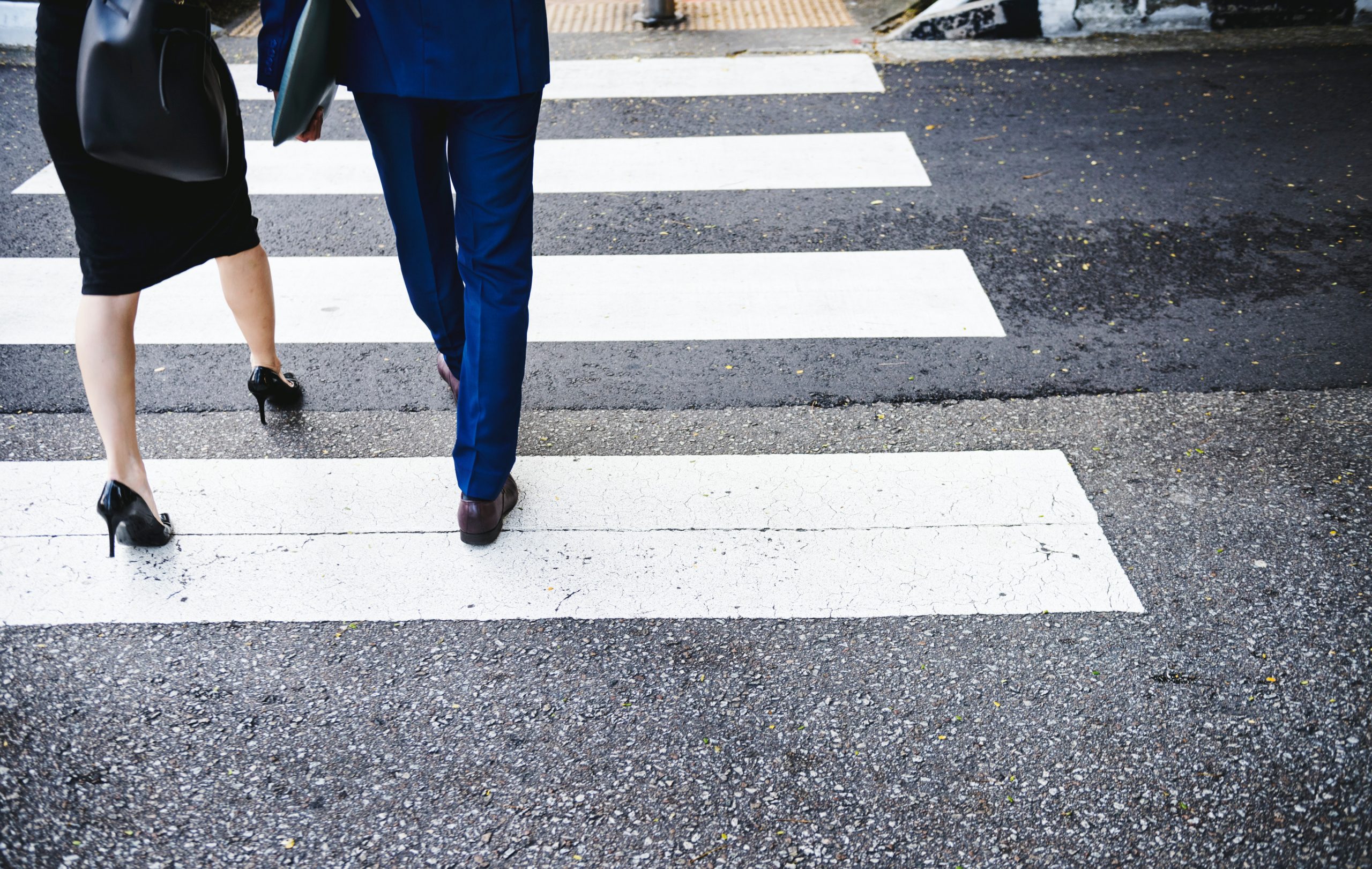
Wide intersections with multiple lanes mean pedestrians often need more time to cross than a single signal cycle allows. In some locations, there are no pedestrian refuge islands, forcing people to cross long stretches of traffic at once. This increases exposure to turning vehicles and drivers accelerating through intersections.
Signal timing can also create conflicts, where pedestrians are crossing at the same time vehicles are permitted to turn. Combined with limited visibility from parked cars, bus stops, and commercial driveways, these design factors make certain intersections far more dangerous than they appear at first glance.
Understanding how roadway design contributes to crashes is often key in evaluating liability after a pedestrian injury in Northeast Philadelphia.
Roosevelt Boulevard & Cottman Avenue: One of the Most Dangerous Crossings
The intersection of Roosevelt Boulevard and Cottman Avenue is widely recognized as one of the most hazardous pedestrian areas in Northeast Philadelphia. The risks come from:
- Multiple lanes of fast-moving traffic in each direction.
- Complex signal timing with multiple crossing phases.
- Heavy turning traffic into nearby retail centers.
- Constant vehicle volume throughout the day.
Pedestrians often face long exposure times while crossing, increasing the chance of driver misjudgment or failure to yield.
Roosevelt Boulevard & Rhawn Street: Speed and Congestion Combined
Farther north along Roosevelt Boulevard, the intersection at Rhawn Street presents another high-risk environment. Here, the primary hazards include:
- Vehicles accelerating between intersections.
- Frequent merging and lane changes.
- Mixed residential and commercial traffic patterns.
Even when signals are obeyed, the speed differential between vehicles entering and exiting the intersection creates unpredictable conditions for pedestrians.

Frankford Avenue Corridors: Constant Turning Activity
Frankford Avenue runs through dense residential and commercial zones, making it one of the most active pedestrian environments in Northeast Philadelphia. However, it is also one of the most dangerous due to:
- Continuous turning movements into businesses and side streets.
- Driveways intersecting directly with sidewalks.
- High bus activity and frequent stops.
- Heavy pedestrian traffic near shopping areas.
This combination of foot traffic and vehicle movement leads to constant points of conflict, especially during peak shopping hours.
Bustleton Avenue: Wide Roads, Longer Exposure
Bustleton Avenue is a major commuter corridor where pedestrian safety is challenged by road design. Key risks include:
- Wide intersections requiring long crossing times.
- High-speed commuter traffic.
- Limited pedestrian refuge areas.
- Aggressive driving during rush hour.
Because pedestrians must often cross multiple lanes in a single signal cycle, even minor delays or driver inattention can create dangerous situations.
Cottman Avenue Retail Zones: Driveways and Parking Lot Conflicts
Cottman Avenue’s retail corridors add another layer of pedestrian risk. Unlike traditional intersections, these areas feature:
- Frequent vehicle entry and exit from parking lots.
- Mid-block pedestrian crossings.
- Delivery trucks stopping in travel lanes.
- High volumes of turning traffic.
These unpredictable movements make it difficult for both drivers and pedestrians to anticipate right-of-way conflicts.
Why Local Legal Experience Matters After a Pedestrian Accident
When pedestrian accidents happen in Northeast Philadelphia, understanding the local roadway environment is critical to building a strong injury claim. Factors such as signal timing, intersection design, traffic volume, and driver behavior all play a role in determining liability.
That is where working with a local firm matters.
Rand Spear – The Accident Lawyer is a Philadelphia-based personal injury law firm that represents injured pedestrians throughout Northeast Philadelphia and surrounding communities. Our firm understands how crashes happen on corridors like Roosevelt Boulevard and Cottman Avenue, and how to investigate liability in complex intersection cases involving multiple contributing factors.
With extensive experience handling motor vehicle and pedestrian injury claims across Pennsylvania, the firm focuses on holding negligent drivers, commercial operators, and responsible parties accountable.
Involved in a Pedestrian Accident in Northeast Philadelphia? Get Legal Help Now
If you or a loved one was injured at a dangerous intersection in Northeast Philadelphia, you need a legal team that understands how these crashes happen.
At Rand Spear – The Accident Lawyer, we represent pedestrian accident victims throughout the Northeast, including cases involving busy corridors, commercial intersections, and high-speed arterial roads. We investigate quickly, preserve evidence, and build claims designed to pursue full accountability.
Frequently Asked Questions (FAQs): Northeast Philly Pedestrian Accidents
-
What Are the Most Dangerous Intersections for Pedestrians in Northeast Philadelphia?
Some of the highest-risk areas include Roosevelt Boulevard & Cottman Avenue, Roosevelt Boulevard & Rhawn Street, and busy commercial stretches of Frankford Avenue and Bustleton Avenue.
-
Why Are Pedestrian Accidents So Common in Northeast Philadelphia?
The area has wide multi-lane roads, high-speed traffic, frequent turning vehicles, and long crossing distances, all of which increase exposure risk for pedestrians.
-
Can I Still Recover Compensation if I was Hit While Crossing the Street?
Yes. Pedestrian accident claims often involve driver negligence, signal violations, failure to yield, or unsafe roadway conditions. Liability depends on the specific facts of the case.
-
Why Should I Hire a Local Northeast Philadelphia Injury Lawyer?
A local firm understands Northeast Philadelphia’s roadways, traffic patterns, and common crash locations, which can be critical when building a strong injury claim.
Call a Northeast Philadelphia Pedestrian Accident Lawyer at Rand Spear – The Accident Lawyer Today for More Information
Pedestrian accidents often involve serious injuries, complex liability questions, and aggressive insurance companies. You do not have to handle it alone. Contact our Northeast Philadelphia pedestrian accident lawyers at Rand Spear – The Accident Lawyer today for a free consultation. Call 215-985-0138 or complete our online form. With offices in Philadelphia, Cherry Hill, and Marlton, NJ, we serve clients across PA and NJ.
Call or text (215) 985-2424 or complete a Free Case Evaluation form