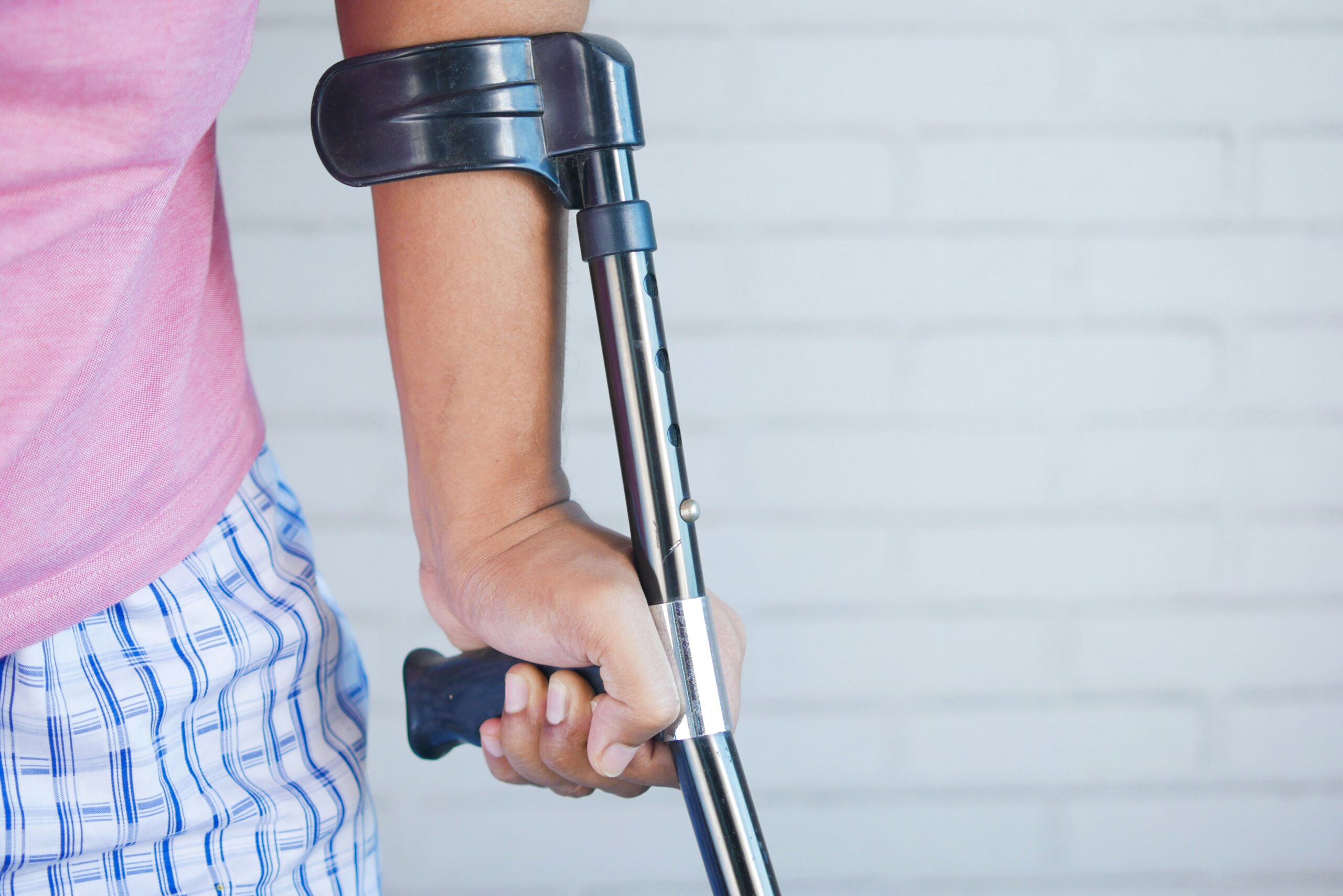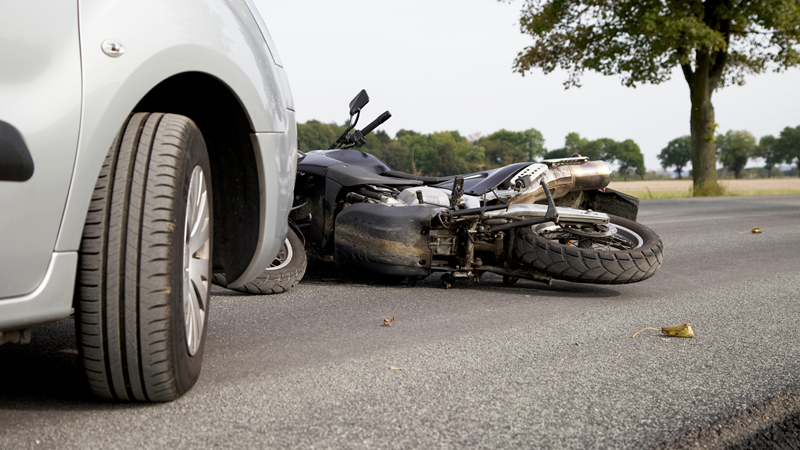



When a child is injured in a car crash, pedestrian accident, fall, dog attack, unsafe property incident, or another preventable accident, a parent can usually take legal action on the child’s behalf.
But a personal injury claim involving a child does not work exactly like an adult’s claim.
Parents can help pursue the case, communicate with attorneys, gather records, and participate in settlement decisions, but they generally cannot simply accept an insurance company’s offer and treat the child’s compensation as their own money.
Pennsylvania and New Jersey provide additional safeguards for settlements involving minors. Depending on where the case is filed, the court may need to review and approve the settlement, examine whether the amount is fair to the child, and determine how the child’s settlement funds will be protected.
Those protections become important later.
In the first 48 hours after an accident, however, parents should focus on something more immediate: the child’s medical care, documentation of what happened, preservation of evidence, and avoiding an early insurance decision before the extent of the injury is understood.
A child’s injury may evolve over days, weeks, or considerably longer. What initially appears to be a straightforward fracture, concussion, scar, or soft-tissue injury may have consequences affecting school, development, mobility, future treatment, or emotional wellbeing.
That is why parents should understand both ends of the process.
The actions taken immediately after the injury can influence the evidence available for the claim, while the special settlement process is designed to help protect the child’s compensation if the case ultimately resolves.
What Should Parents Do in the First 48 Hours After a Child Is Injured?
The priority is the child’s health.
Seek appropriate medical attention based on the seriousness of the injury.
Depending on what happened, that might mean:
- Calling emergency services
- Going to an emergency department
- Visiting an urgent care facility
- Contacting the child’s pediatrician
- Following up with an orthopedic, neurological, or other specialist
- Monitoring the child for new or worsening symptoms
Children may not always describe pain and symptoms in the same way adults do.
A younger child may struggle to explain dizziness, headaches, numbness, anxiety, or changes in concentration. Parents should pay attention to changes in behavior as well as obvious physical injuries.
Medical evaluation also creates an early record of the child’s condition.
That can become important if an insurance company later questions when an injury developed or whether it was related to the accident.

Document What Happened as Soon as You Can
The hours immediately after an accident can produce some of the most useful evidence.
If your child’s medical needs allow, preserve information about the incident.
Depending on the type of accident, that could include:
- Photographs of the scene
- Photographs of visible injuries
- Vehicle damage
- The condition that caused a fall
- Damaged clothing or personal belongings
- Names and contact information for witnesses
- Police or incident-report information
- Insurance details
- Details about the property owner or business
- Information about a dog and its owner
- Messages or communications relating to the incident
Do not assume the scene will remain unchanged.
A spill can be cleaned.
A broken handrail can be repaired.
Vehicles can be moved or destroyed.
Security footage may eventually be overwritten.
The earlier important evidence is identified, the better positioned the family may be to understand exactly what happened.
Keep Records of the Child’s Symptoms
A child’s recovery may look very different from an adult’s.
Parents are often the people who notice the changes first.
After the accident, make note of issues such as:
- Pain
- Difficulty sleeping
- Headaches
- Dizziness
- Reduced mobility
- Fear or anxiety
- Changes in appetite
- Difficulty concentrating
- Missed school
- Inability to participate in sports
- Changes in mood or behavior
- Problems completing normal activities
Do not encourage the child to exaggerate symptoms.
Simply record what you actually observe and what the child reports.
This can help medical providers understand the recovery and may later provide context for how the injury affected the child’s everyday life.

Be Careful With Early Insurance Calls
An insurance adjuster may contact the family quickly after an accident.
That does not necessarily mean the insurer is doing anything improper. Insurance companies investigate claims and need information about what happened.
But parents should be cautious about giving detailed statements, signing documents, or discussing settlement before they understand the child’s injuries.
A child may still be undergoing tests.
Doctors may not yet know whether additional treatment will be required.
The family may not know whether symptoms will resolve within days or continue for months.
An offer that appears substantial during the first week can look very different once future medical needs become clearer.
When the injured person is a child, there is another important consideration: even if the parent wants to settle, additional legal safeguards may apply before the child’s claim can be finally resolved.

How Does a Personal Injury Claim Work When the Injured Person Is a Child?
A child generally cannot manage a personal injury lawsuit independently in the same way a legally competent adult can.
A parent or appropriate guardian typically acts on the child’s behalf during the case.
That adult may work with the attorney to:
- Explain how the accident happened
- Provide medical information
- Preserve evidence
- Communicate with insurers
- Help document the child’s recovery
- Make decisions during litigation
- Evaluate a proposed settlement
The purpose of the claim, however, is to protect the injured child’s legal interests.
That distinction matters.
A parent may be the person communicating with the lawyer, but compensation belonging to the child is subject to protections designed for the child.
What Types of Accidents Can Lead to a Child Injury Claim?
Children can be injured in many of the same incidents that cause adult personal injury claims.
Examples include:
Car crashes
A child may be injured while riding as a passenger, crossing a road, cycling, or being struck by a vehicle.
Pedestrian accidents
Children can be particularly vulnerable around intersections, schools, car parks, residential areas, and other places where drivers may fail to notice them.
Bicycle accidents
A collision with a motor vehicle can cause fractures, head injuries, internal injuries, and other serious harm.
Slip, trip, and fall incidents
Unsafe property conditions can injure children in shops, apartment buildings, recreational facilities, restaurants, and other locations.
Dog bites and animal attacks
Children can suffer puncture injuries, nerve damage, infections, and permanent scarring. A frightening attack can also cause emotional effects.
Defective products
A dangerous product may injure a child when it fails, contains an unsafe design, or presents another preventable hazard.
Whatever the accident, the legal question usually begins with whether another person, business, property owner, manufacturer, or other party may be legally responsible for the child’s injuries.
Why Are Minor Settlements Treated Differently?
Children receive additional legal protection because they are not generally expected to evaluate the long-term consequences of resolving a legal claim.
Settlement is usually final.
Once an adult signs a valid personal injury settlement and release, that person generally cannot return years later and demand more compensation simply because the injury became more serious than expected.
That finality creates particular concerns when the injured person is a child.
A young child may not yet understand:
- What future treatment could involve
- How a permanent injury may affect adulthood
- The long-term effect of scarring
- Whether an injury could affect future employment
- What a significant amount of money means
- Whether a settlement is adequate
Parents care deeply about their children, but the law does not simply leave every settlement decision entirely to a parent and an insurance company.
Court involvement provides another layer of protection.
How Do Minor Settlements Work in Pennsylvania?
Pennsylvania has specific rules governing settlements involving minors.
A personal injury action involving a minor cannot simply be compromised or settled like an ordinary adult claim. Court approval is required through the applicable procedure.
The court can review the proposed settlement and the proposed distribution of the money.
That process may include information about:
- How the accident happened
- The child’s injuries
- Medical treatment
- The child’s current condition
- Prognosis
- Settlement amount
- Attorney’s fees
- Case expenses
- Proposed handling of the child’s net recovery
Local court requirements can add procedural details, so the exact process may differ depending on the Pennsylvania county where the matter is handled.
The important point for parents is that an agreement with an insurance company is not necessarily the final step.
The child’s interests remain subject to court protection.
How Do Minor Settlements Work in New Jersey?
New Jersey also requires judicial review of settlements involving minors.
The process is commonly associated with what is known as a “friendly hearing.”
The court considers whether the proposed settlement is fair and reasonable for the child.
The judge may review matters such as:
- The nature of the accident
- Liability issues
- The child’s injuries
- Medical treatment
- Recovery and prognosis
- The settlement amount
- Costs
- Attorney’s fees
- How the child’s proceeds will be protected
The purpose is not to unnecessarily complicate the family’s case.
The purpose is to make sure the settlement adequately protects a person who is legally too young to approve the agreement independently.
Can a Parent Accept a Settlement for Their Child?
A parent can play a central role in negotiating and recommending a settlement, but the parent does not necessarily have unrestricted authority to make the child’s claim disappear simply by signing an insurance release.
Court approval requirements exist specifically to protect against that result.
A parent might reasonably believe a settlement is a good outcome.
The child’s attorney may recommend accepting it.
The insurance company may agree to pay it.
But where the applicable rules require judicial approval, the court still has a role in reviewing the settlement.
That safeguard is one of the biggest differences between settling an adult injury claim and resolving a child’s case.
What Does the Judge Look for When Reviewing a Child’s Settlement?
The precise procedure varies between Pennsylvania and New Jersey and can also depend on the court handling the case.
Broadly, however, the court is concerned with whether the settlement protects the child.
A judge may want enough information to understand:
- What happened
- The strength and risks of the claim
- How badly the child was injured
- What treatment the child received
- Whether treatment is ongoing
- Whether permanent problems are expected
- What compensation is being offered
- What expenses will be deducted
- How the remaining money will be safeguarded
This is one reason medical development can matter so much before settlement.
A court reviewing a serious injury claim needs a meaningful picture of the child’s prognosis.
If the medical future remains unclear, deciding whether a settlement is adequate can be more difficult.
Why Future Medical Needs Matter So Much for Children
Children may have decades of life ahead of them.
A permanent injury suffered at age eight can affect far more than the child’s immediate medical bills.
Depending on the injury, future concerns might include:
- Additional surgery
- Physical therapy
- Occupational therapy
- Psychological treatment
- Medication
- Mobility support
- Scar revision
- Specialist treatment
- Educational support
- Long-term limitations
Growth can also matter.
Certain orthopedic injuries, scarring, or other conditions may need to be monitored as a child develops.
A settlement should therefore not be evaluated only by looking at bills that have already arrived.
The child’s expected future needs can be an important part of assessing the claim.
Serious Injuries May Affect a Child’s Future Beyond Medical Treatment
Some injuries can have consequences that are difficult to measure immediately after an accident.
A traumatic brain injury, for example, may eventually affect learning, concentration, behavior, independence, or future employment.
A major orthopedic injury may interfere with athletics, physical work, or mobility.
Permanent facial scarring from a dog attack can have both physical and emotional consequences.
The younger the child, the more difficult it may be to predict every long-term effect.
That is another reason parents should be cautious about rushing toward an early settlement simply because an insurer is willing to make an offer.
A Child’s Settlement Money Is the Child’s Money
One of the most important principles for parents to understand is that compensation awarded for the child’s injuries belongs to the child.
Parents do not simply receive a settlement check that they can spend however they choose.
Pennsylvania and New Jersey have procedures designed to protect money recovered for minors.
Depending on the jurisdiction, amount, court order, and circumstances, proceeds may be placed into a protected account, deposited under court supervision, held through an appropriate guardianship arrangement, or incorporated into another approved structure.
For substantial settlements or cases involving significant future needs, more sophisticated arrangements may also be considered where appropriate.
The goal is to preserve the money for the injured child.
Why Can Settlement Funds Be Restricted?
Imagine a six-year-old receives substantial compensation after suffering a permanent injury.
Giving unrestricted access to the entire settlement simply because a parent managed the lawsuit could undermine the purpose of the recovery.
Protected settlement arrangements help make sure the child’s money remains available for the child rather than being treated as ordinary household income.
The restrictions can sometimes frustrate parents who genuinely want to use money for something they believe will help their child.
But the basic principle is protective.
The settlement exists because the child was injured.
The legal system therefore takes steps to safeguard the child’s recovery.
The First 48 Hours Can Affect a Case That May Last Much Longer
Court approval, settlement structures, and protected accounts can feel far removed from the first day after an accident.
But the evidence supporting a future settlement begins developing almost immediately.
That is why the first 48 hours matter.
Parents can protect their child’s position by focusing on:
- Appropriate medical care.
- Documentation of the accident.
- Photographs and witness information where available.
- Preservation of relevant evidence.
- Records of symptoms and changes in the child’s normal activities.
- Following medical recommendations.
- Being cautious about early insurance statements and settlement paperwork.
- Getting legal guidance before important evidence disappears or an insurer asks the family to resolve the claim.
A parent does not need to know what the child’s case will eventually be worth during those first two days.
In many cases, it would be impossible to know.
The immediate objective is to protect the child’s health and preserve the information that may later be needed to make an informed decision about the claim.
What Happens While the Child’s Claim Is Developing?
After the first few days, the focus shifts from immediate evidence preservation to understanding the child’s recovery.
Parents should continue to:
- Keep medical appointments
- Follow treatment recommendations
- Save medical records and bills
- Keep school absence records where relevant
- Document activity restrictions
- Note changes in sleep, mood, concentration, or behavior
- Preserve communications with insurers
The goal is not to create a dramatic record. It is to preserve an accurate one.
A child who improves quickly may have a very different claim from a child who needs surgery, ongoing therapy, psychological care, or long-term monitoring. That difference may not be clear during the first week.
Why Parents Should Not Rush a Child’s Settlement
An early settlement can sound attractive because it promises closure and may provide money quickly.
But resolving a child’s claim too early can create problems if the full effect of the injury is not yet known.
Before settlement, the family may need a clearer understanding of:
- Whether treatment is complete
- Whether additional procedures are expected
- Whether symptoms are likely to continue
- Whether scarring is permanent
- Whether school or normal activities have been affected
- Whether future medical monitoring will be required
Once a settlement is properly approved and the claim is resolved, the family generally cannot reopen the case simply because the injury later proves more serious than expected.
That makes timing especially important for developing children.
How Is the Value of a Child Injury Claim Assessed?
There is no automatic settlement amount simply because the injured person is a child.
The value depends on the facts, including:
- The seriousness of the injury
- Medical treatment
- Pain and discomfort
- Permanent impairment
- Scarring or disfigurement
- Emotional effects
- Interference with school or normal activities
- Future medical needs
- The strength of the liability evidence
- Available insurance coverage
A fracture that heals fully may be valued differently from an injury requiring repeated surgery.
A concussion that resolves without lasting symptoms is different from a traumatic brain injury affecting learning or development.
The settlement should reflect the child’s actual circumstances rather than simply the type of accident.
How Are Settlement Funds Protected in Pennsylvania and New Jersey?
Both states use court oversight to help protect money recovered for minors, although their procedures are not identical.
In Pennsylvania, the court reviews the proposed compromise and how the child’s net proceeds will be handled.
In New Jersey, the court commonly reviews the settlement through a friendly hearing and considers both the fairness of the settlement and protection of the child’s funds.
After approved fees, expenses, and other permitted deductions are addressed, the child’s net recovery may be placed into a restricted account or another court-approved arrangement.
For substantial settlements, other structures may sometimes be considered depending on the child’s needs and the court’s approval.
Parents should not assume the settlement will simply be deposited into an ordinary family bank account.
The money belongs to the child and is protected accordingly.
Can Parents Use the Child’s Settlement Money?
Parents should not treat the child’s settlement as ordinary household money.
The court-approved arrangement controls access.
In some circumstances, a parent or guardian may later be able to ask the court for permission to use protected funds for an appropriate expense benefiting the child.
But protected money should not be withdrawn or spent simply because a parent believes the expense is reasonable.
The purpose of the restrictions is to preserve the child’s recovery.
What Happens at a Minor Settlement Hearing?
Parents are sometimes concerned when they learn that a judge may need to review the settlement.
The hearing is designed to protect the child, not to turn an agreed settlement into another liability trial.
The court may review:
- The accident
- The child’s injuries
- Medical treatment
- Current condition and prognosis
- The settlement amount
- Attorney’s fees and expenses
- The proposed handling of the child’s money
The judge may also ask questions to make sure the proposed resolution is fair and that the parent understands its effect.
New Jersey commonly refers to this process as a friendly hearing. Pennsylvania uses its own court-approval procedure for settlements involving minors.
What if the Child Has a Serious or Permanent Injury?
Serious injury cases require especially careful evaluation.
A child with a permanent disability, traumatic brain injury, major orthopedic injury, or significant scarring may have needs extending far beyond the current medical bills.
The claim may need to account for issues such as:
- Future medical treatment
- Rehabilitation
- Therapy
- Assistive equipment
- Educational needs
- Long-term limitations
- The effect of the injury on adulthood and independence
Medical experts or other professionals may sometimes be needed to understand those future needs.
These are not cases where a family should feel pressured to accept an early offer simply because an insurer wants to close the claim.
Why Early Legal Help Can Matter Even if Settlement Is Far Away
Getting legal help early does not mean the family has to settle early.
Those are separate decisions.
An attorney can begin protecting the claim while the child continues receiving treatment.
That may involve:
- Investigating the accident
- Preserving video and other evidence
- Gathering witness information
- Communicating with insurers
- Obtaining reports and records
- Identifying available insurance coverage
- Tracking the child’s medical development
- Helping the family avoid premature settlement decisions
Families should also avoid assuming that special rules affecting minors mean there is no urgency to investigate.
Evidence can disappear long before a legal deadline arrives.
Frequently Asked Questions
Can a Parent Settle a Child’s Personal Injury Claim Without Court Approval?
Usually not when Pennsylvania or New Jersey minor-settlement procedures require judicial approval. Parents can participate in negotiating and recommending a settlement, but the court provides an additional safeguard before the child’s claim is finally resolved.
Where Does a Child’s Settlement Money Go?
The child’s net recovery is generally placed into a court-approved arrangement designed to protect the money. Depending on the case, this may involve a restricted account or another approved structure.
Can Parents Spend Money From Their Child’s Injury Settlement?
Not simply because they are the child’s parents. Access to protected proceeds is controlled by the court-approved arrangement, and additional permission may be required before funds can be used.
How Long Should Parents Wait Before Settling a Child’s Injury Claim?
There is no universal timeline. The family should usually understand the child’s diagnosis, treatment, recovery, and reasonably anticipated future needs before final settlement. Serious injuries may require more time to evaluate.
What Should I Do in the First 48 Hours After My Child Is Injured?
Focus on appropriate medical care, document the accident, preserve photographs and witness information, keep records of symptoms, follow medical advice, and be cautious about detailed insurance statements or settlement paperwork before the child’s condition is understood.
Do Pennsylvania and New Jersey Handle Child Injury Settlements the Same Way?
No. Both states provide additional court safeguards for settlements involving minors, but the procedures differ. Pennsylvania uses its court-approval process for minor compromises, while New Jersey commonly uses a friendly hearing to review the settlement and protection of the proceeds.
Talk to Rand Spear After Your Child Is Injured
When your child has been injured, the first priority is getting them the care they need.
The legal questions can follow quickly.
Insurance companies may call. Evidence can disappear. Parents may be asked for statements, records, or signatures before they know whether the injury will have lasting consequences.
A child’s claim also carries safeguards that an ordinary adult claim does not. Any eventual settlement may require court review, careful consideration of future medical needs, and arrangements designed to protect the child’s compensation.
Rand Spear The Accident Lawyer represents injured people and families in Pennsylvania and New Jersey and offers free consultations for personal injury matters.
If your child has been hurt in a car crash, fall, dog attack, pedestrian accident, or another incident caused by someone else, contact Rand Spear as soon as possible. The firm can help preserve evidence, deal with insurers, investigate responsibility, and protect your child’s claim while the full extent of the injuries becomes clearer.
Getting legal guidance early does not force your family to settle. It helps protect the options available to your child while you focus on their recovery.
Call or text (215) 985-2424 or complete a Free Case Evaluation form