

In the minutes after a car accident in Philadelphia, it is easy to focus only on safety, getting vehicles out of the way, and exchanging information. Those steps matter, but so does something that can feel less urgent: preserving evidence. Evidence is what turns a confusing crash into a clear story about what happened, who was responsible, and how the collision affected your life. It can be as simple as a photo showing the position of the cars or as technical as electronic vehicle data that records speed and braking. It can also include medical documentation that connects the injuries you feel days later to the impact that caused them.
Philadelphia car accident claims often rise or fall on details. Intersections are busy, traffic patterns change quickly, and there may be multiple witnesses, cameras, and responding agencies. Insurance companies and defense teams frequently look for gaps or inconsistencies to argue that a driver was not at fault, that the damage was minor, or that injuries were unrelated. Preserving evidence early helps prevent those arguments from gaining traction.
This article explains what evidence to gather at the scene and within the first 48 hours, how to preserve key records such as photos, police reports, medical records, video, and vehicle data, and what mistakes can unintentionally harm your case. The goal is practical: help you protect the information that protects you.
Why Evidence Matters in Philadelphia Car Accident Claims
Evidence is the foundation of a strong car accident claim because it answers three core questions: how the crash happened, who caused it, and what losses resulted. In Philadelphia, liability can be disputed even when one driver feels the fault is obvious. A driver may claim they had a green light, that you stopped suddenly, or that road conditions forced them to swerve. Evidence helps separate what is provable from what is merely asserted.
Photos, videos, and physical details from the scene can capture angles, skid marks, debris fields, and vehicle resting positions that later reconstruction may depend on. Those details fade quickly. Cars are moved, streets are cleaned, and traffic returns to normal. Witness memories also fade, and in a busy city people may be hard to track down later unless you collect their information promptly.
Medical evidence matters just as much as crash-scene evidence. Many injuries from collisions, including strains, concussions, and symptoms that worsen over time, do not fully appear in the first hour. If treatment is delayed, insurers sometimes argue that you were not truly hurt or that another event caused your condition. Timely medical care and complete records create a clearer timeline.
Evidence also supports damages, not just fault. Pay stubs, time-off records, repair estimates, and documentation of out-of-pocket expenses show the practical impact of the collision. In addition, modern cars and phones generate data that can confirm speed, braking, and movement. When preserved, these digital records can be powerful. When lost, you may never get them back. Treat evidence gathering as a time-sensitive task, because in many cases it is.

What to Collect at the Scene and in the First 48 Hours
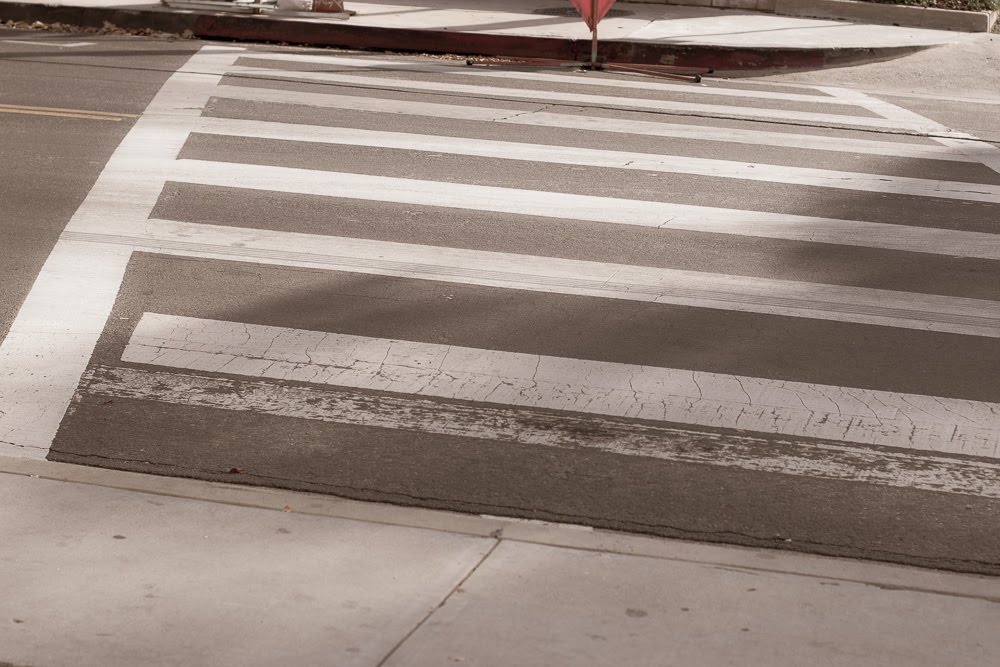
Your first priorities are safety and emergency care. Call 911 to request police and medical assistance if anyone is injured or the scene is unsafe. Once you are safe and able, begin collecting information. Use your phone to take wide shots of the entire scene from multiple angles, then closer shots of damage to each vehicle, license plates, and any visible injuries. Photograph traffic signals, stop signs, lane markings, construction zones, and anything that may have contributed, such as potholes, standing water, or debris. If there are skid marks or scattered parts, capture those as well before they are disturbed.
Exchange information with the other driver. Get their name, address, phone number, driver’s license number, license plate, and insurance details. If the other driver is a commercial operator, photograph the company name, vehicle number, and any identifying markings. Note the make, model, and color of all involved vehicles.
Witnesses can be crucial in Philadelphia, especially at intersections and on heavily traveled corridors. Ask witnesses for names and contact information. If they are willing, record a short statement on your phone describing what they saw, focusing on neutral facts like which direction each car was traveling and what the traffic light was showing. Keep it calm and avoid coaching. A witness who feels pressured may later back away.
Within the first 48 hours, create your own written timeline while your memory is fresh. Include where you were coming from, speed estimates, weather, traffic, what you saw and heard, and what happened immediately after impact. Also document symptoms, pain levels, and limitations, even if they seem minor. Seek medical evaluation promptly and follow recommendations. Save prescriptions, discharge papers, and appointment summaries. Keep receipts for towing, rideshares, rentals, and any medical supplies. If your vehicle is towed, find out where it is being stored and take additional photos there if you could not do so at the scene.
How to Preserve and Obtain Key Records (Photos, Vehicle Data, Police and Medical Reports, Video)
Collecting evidence is only the first step. Preserving it in a usable form is what prevents it from disappearing, being overwritten, or being questioned later. For photos and videos, keep the original files. Do not rely solely on images sent through text messages, which may compress files and strip metadata. Upload originals to a secure cloud folder and back them up to a second location. Avoid editing, filtering, or adding annotations to the originals. If you want to highlight something, save a separate copy for your personal reference and keep the unaltered originals intact.
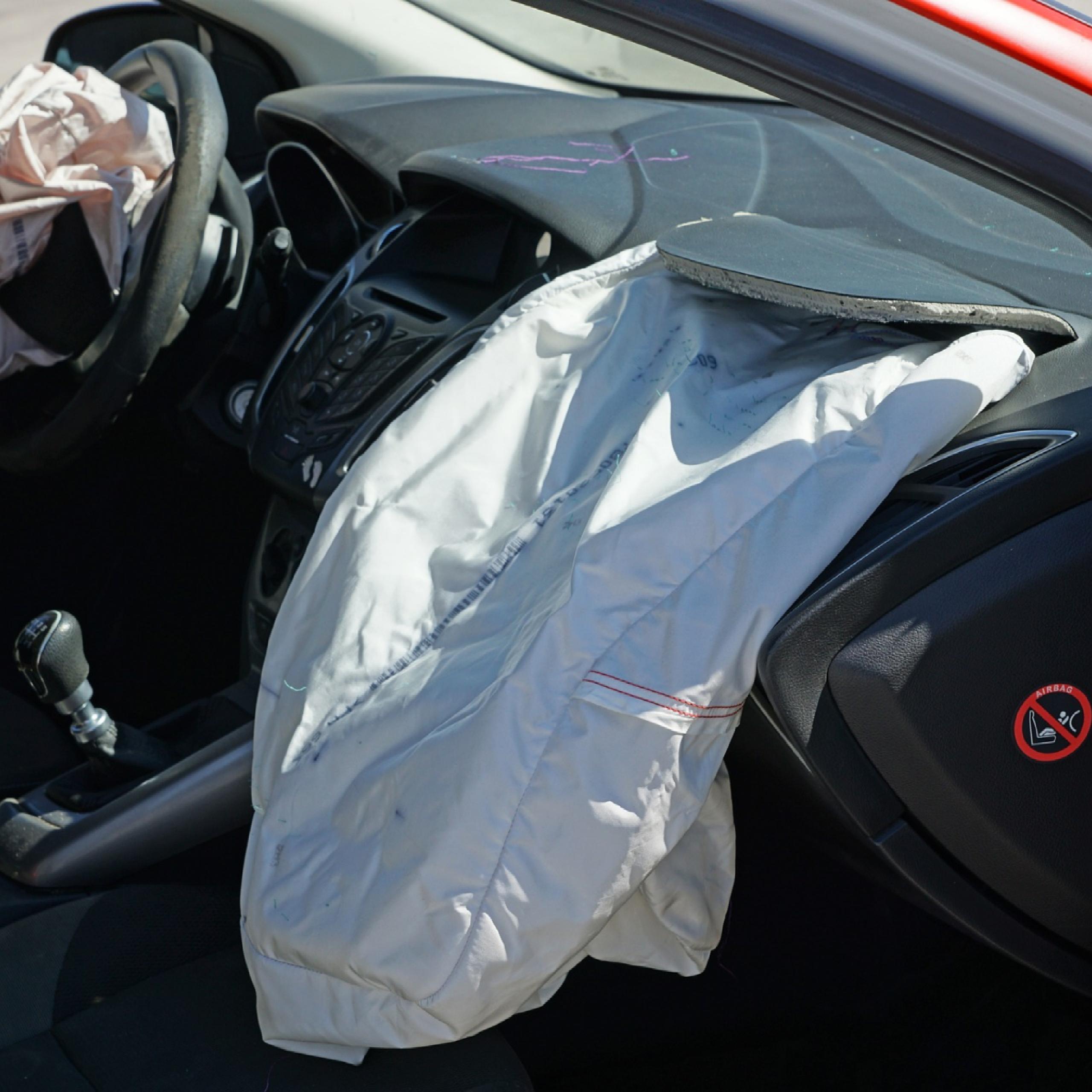
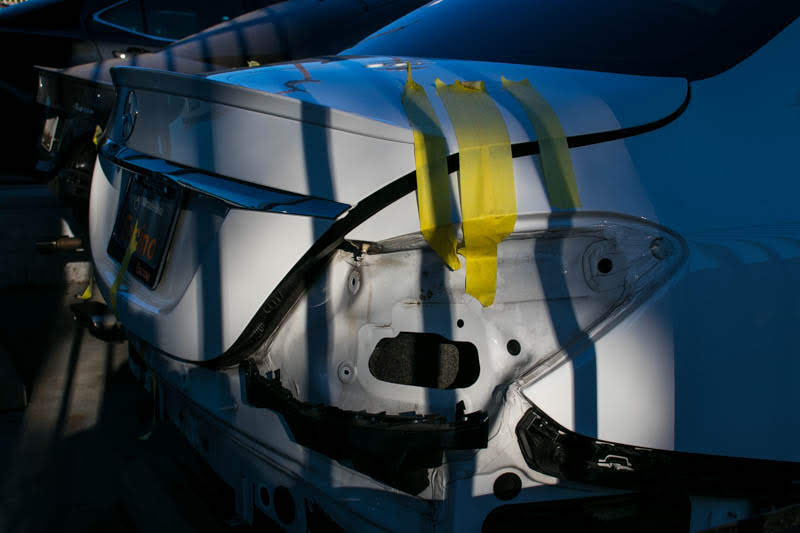
Vehicle data can be important and time-sensitive. Many vehicles store crash-related information in event data recorders or other onboard systems. Some also record advanced driver assistance events. If your car is driveable, do not reset onboard systems or disconnect the battery unless necessary for safety. If it is not driveable and is taken to a tow yard, understand that storage lots and repair shops may later move, repair, or dispose of parts. Consider photographing the odometer, dashboard warning lights, and any deployed airbags. Keep towing and storage paperwork. If you have a dash camera, remove it and preserve the memory card. If your phone automatically connects to your car, preserve any trip logs or app data that may show routes or times.
Police reports are another key record. When Philadelphia police respond, an official report may be created with driver statements, witness information, and initial observations. Ask officers at the scene how to obtain the report and write down any incident number provided. Once available, request a copy and review it for basic accuracy, such as names, vehicle information, and location. If something is incorrect, document the issue and gather supporting materials, such as photos, but do not assume the report alone decides fault.
Medical records should be preserved as a set, not piecemeal. Keep all discharge instructions, imaging results, referrals, and follow-up notes. Maintain a simple folder, physical or digital, with dates and providers. If you see multiple providers, keep a consistent timeline. Also preserve evidence of missed work and reduced earning capacity, such as employer letters, time-off approvals, and wage documentation.
Video evidence in Philadelphia can come from many sources, including nearby businesses, residential doorbell cameras, and traffic or transit-adjacent cameras. Video is often overwritten quickly. If you saw a camera near the crash site, write down the exact address or corner and act fast. If a business has footage, politely ask them to preserve it and note who you spoke with and when. Even if they cannot release it directly, asking them to retain it can prevent automatic deletion.

Common Mistakes That Can Harm Evidence and How to Avoid Them
One of the most common mistakes is waiting too long. People often assume they can request video footage or track down witnesses weeks later. In reality, cameras may overwrite within days, and witnesses may be impossible to identify after the moment passes. Treat the first 48 hours as the critical window for collecting names, securing footage, and documenting the scene.
Another mistake is unintentionally altering evidence. Editing photos, applying filters, or cropping out context can create doubts about authenticity. The best practice is to keep originals untouched and create separate copies for sharing. Similarly, avoid making repairs to your vehicle before it is fully documented. If repairs must happen quickly due to safety or transportation needs, photograph everything thoroughly first and keep all parts and invoices if possible.
Be careful with what you say and where you say it. Statements made at the scene, to insurers, or on social media can be used to undermine your claim. Avoid speculating about fault or apologizing, especially in the immediate aftermath when adrenaline and confusion are high. Keep conversations factual. On social media, even unrelated posts can be misinterpreted. Photos of activities, jokes about the crash, or comments about feeling “fine” can be taken out of context. Consider pausing public posting while your medical condition and claim are being evaluated.
Losing the paper trail is another frequent issue. Receipts, appointment cards, and work notes can disappear quickly if they are not centralized. Set up one folder for all crash-related documents and save digital copies. Keep a simple log of expenses and mileage to appointments.
Finally, do not assume that an insurance company will gather evidence in a way that protects you. Insurers investigate with their own interests in mind. If you give a recorded statement without preparation, it can lock you into wording that does not reflect the full picture, especially if symptoms develop later. If you must report the crash, keep it brief and accurate, and do not guess about speed, distances, or medical conclusions. When you do not know, say you do not know.

FAQs
What if I did not take photos at the scene in Philadelphia?
You can still preserve meaningful evidence, but act quickly. Return to the location as soon as it is safe and take photos of lane markings, signage, sight lines, and any road conditions that may have contributed. While the vehicles and debris will be gone, environmental details can still matter. Also photograph your vehicle as it sits at the tow yard or repair shop before work begins, including close-ups of damage, airbags, and any broken interior components. If you have injuries, photograph visible bruising over the following days as it changes in appearance. Start a written timeline immediately, and gather all towing, storage, and repair paperwork. If you believe nearby cameras may have captured the collision, identify exact addresses and ask that footage be preserved as soon as possible because many systems overwrite automatically.
How do I get a copy of the police report for a Philadelphia car accident?
If police responded, ask at the scene for any report or incident number and the responding unit’s information if available. Once the report is processed, you can request a copy through the appropriate Philadelphia channels. Keep in mind that reports are not always available immediately, and delays are common. When you receive it, review it for factual items such as names, vehicle identifiers, the crash location, and witness listings. If something is incorrect, write down what you believe is wrong and gather documents that support your position, such as photos showing vehicle placement or traffic controls. A police report can be important, but it is only one piece of the overall evidence picture, and insurers often compare it against photos, statements, and medical timelines.
Should I talk to the other driver’s insurance company or give a recorded statement?
You typically need to notify your own insurer, but you should be cautious about speaking with the other driver’s insurer, especially in a recorded interview. Adjusters may ask questions in ways that encourage speculation about speed, distances, or whether you were “okay” immediately afterward. Those answers can be used later to minimize injuries or shift blame. If you do speak, keep it limited to basic facts such as time, general location in Philadelphia, and the vehicles involved. Do not guess, and do not offer opinions about fault. Do not downplay symptoms just because adrenaline is masking pain. If you are still being evaluated medically, it is reasonable to say you are seeking care and do not yet know the full extent of injuries. Preserve all communications in writing when possible.
What medical documentation is most important after a car accident?
The most important medical documentation is the complete timeline connecting the crash to diagnosis and treatment. That includes emergency evaluation records if you went the same day, urgent care notes, primary care visits, imaging results, specialist referrals, physical therapy records, and prescription information. Discharge instructions and follow-up recommendations help show that you took your symptoms seriously and followed medical advice. Also keep records that reflect functional limitations, such as work restrictions, missed days, or activity modifications recommended by a provider. If symptoms change, document when and how, and report those changes to your provider so the medical record reflects them. Insurers often focus on gaps in treatment or inconsistencies. Clear, consistent documentation makes it harder to argue that injuries were unrelated or exaggerated.
Can surveillance or business cameras in Philadelphia really help, and how fast do I need to act?
Yes, video can be some of the strongest evidence because it can show the light cycle, right-of-way, lane position, and timing in a way that avoids disputes. The challenge is that many systems overwrite footage on a short loop, sometimes in a matter of days. If you noticed cameras on a corner business or residential building near the crash site, write down the exact address and direction the camera faces. Contact the business promptly and politely ask them to preserve footage for the date and time of the collision. Even if they cannot give it directly to you, preservation is key. Document who you spoke with, when, and what they said. If you wait until weeks later, the footage may be gone. Acting quickly can make the difference between having objective proof and relying solely on conflicting recollections.
Conclusion
Preserving evidence after a car accident in Philadelphia is about protecting the truth while it is still available. The most valuable details are often the ones that disappear first: vehicle positions, road markings, debris patterns, witness recollections, and video footage that may be overwritten. Acting early helps establish how the crash occurred and supports the full scope of what you experienced afterward, including injuries that develop over time and the financial impact of treatment, missed work, and transportation disruptions.
Focus on safety first, then document thoroughly. Take clear, original photos and videos, gather accurate contact and insurance information, and identify witnesses before they leave. Within the first 48 hours, write down your timeline, seek medical evaluation, and organize every record and receipt in one place. Preserve digital files without editing, and move quickly to request that any nearby cameras retain footage. Be cautious about statements to insurers and avoid social media posts that could be misread.
If you need help understanding what evidence matters in your specific situation or how to obtain time-sensitive records, you can consult Rand Spear in Philadelphia by visiting https://randspear.com/ to explore your options.
Call or text (215) 985-2424 or complete a Free Case Evaluation form