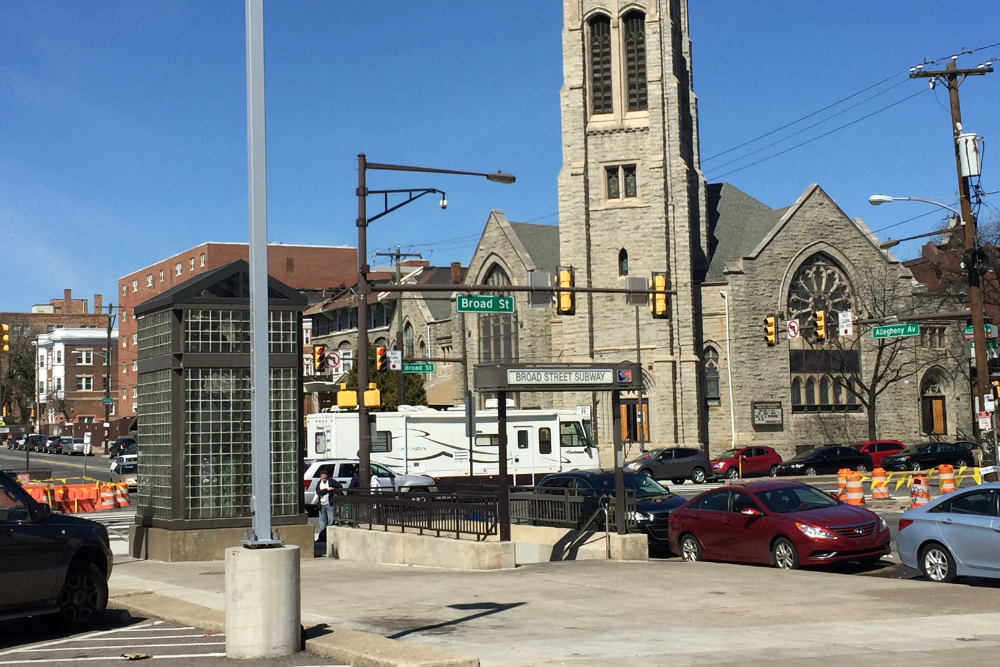



An insurance company may hire an investigator to observe, photograph, or record a person who has filed a personal injury claim.
This surveillance is often intended to test whether the claimant’s daily activities appear consistent with the injuries, symptoms, and physical limitations described in medical records, insurance forms, depositions, or settlement demands.
An investigator might observe someone leaving home, driving, shopping, attending an appointment, exercising, performing household tasks, or participating in a public event. Insurance companies may also review publicly available social media posts, photographs, videos, comments, and online activity.
Surveillance does not automatically mean that the claimant has done anything wrong. Insurers investigate claims as part of deciding whether to accept liability, how much compensation to offer, and whether they believe the evidence supports the claimed damages.
The most important response is not to hide indoors or change your entire life. It is to remain truthful, follow your medical restrictions, avoid exaggerating your limitations, and speak with a personal injury attorney if you are concerned about how surveillance could affect your claim.
Why Insurance Companies Conduct Surveillance
A personal injury claim may seek compensation for losses such as medical expenses, lost income, pain, physical limitations, emotional distress, and reduced quality of life.
The insurance company may investigate whether the claimant’s activities are consistent with those alleged losses.
For example, a claimant may report that an injury makes it difficult to:
- Walk for extended periods
- Lift heavy objects
- Bend or twist
- Drive
- Work
- Exercise
- Perform household tasks
- Care for children
- Participate in hobbies
- Sleep comfortably
- Attend social activities
The insurer may look for photographs or videos that appear to challenge those statements.
An investigation may be especially likely when:
- The claimed injuries are serious
- The potential settlement value is substantial
- The claimant reports long-term or permanent limitations
- The insurer disputes the medical evidence
- The claim includes significant lost income
- The claimant has returned to some activities
- The case is approaching a deposition, medical examination, mediation, or trial
- The insurer believes statements have been inconsistent
- Social media activity has raised questions
- The insurer suspects fraud or exaggeration
Surveillance may also occur even when there is no clear reason to distrust the claimant. Some insurers use it routinely in higher-value cases.

Is Insurance Surveillance Legal?
Insurance surveillance may be lawful when an investigator observes or photographs a person from a place where the investigator is legally permitted to be.
A person generally has less expectation of privacy when visible in a public location, such as:
- A public street
- The sidewalk
- A parking lot
- In a public park
- At a restaurant
- Attending a sporting event
- The exterior of a workplace
- An open front yard visible from the road
- Another publicly accessible places
However, surveillance is not unlimited.
The legal rules can depend on where the surveillance occurs, how it is conducted, whether audio is recorded, and whether the investigator enters private property.
An investigator should not assume the right to trespass, enter your home, hack a private online account, install an unlawful tracking device, or record private communications in violation of applicable law.
Audio recording can create additional legal issues because state laws governing recorded conversations differ. Pennsylvania and New Jersey do not necessarily apply identical rules to every type of communication or recording.
The legality of a particular surveillance method should therefore be evaluated according to the specific facts and jurisdiction.
What Does Physical Surveillance Usually Look Like?
Physical surveillance is often less dramatic than it appears in films.
An investigator may sit in a parked vehicle near the claimant’s home, workplace, medical provider, gym, or another location the person regularly visits.
The investigator may use:
- A camera
- A video recorder
- A mobile phone
- Binoculars
- Written observation notes
- Public records
- Vehicle information
- Online research
The investigator may follow the claimant from one public location to another while documenting activities.
The person being observed may never notice the surveillance.
An investigator may record activities such as:
- Entering or leaving a vehicle
- Carrying shopping bags
- Loading or unloading the trunk of a car
- Walking a dog
- Taking trash outside
- Gardening
- Attending a family gathering
- Visiting a gym
- Coaching or watching a sport
- Going to work
- Moving furniture
- Performing home repairs
The insurer may later compare this footage with statements made during the claim.
Surveillance Can Happen Over Several Days
An insurance company may not rely on a single period of observation.
Surveillance may occur on several non-consecutive days to increase the likelihood of recording useful activity.
An investigator may choose days when the claimant is expected to:
- Attend a medical appointment
- Participate in a deposition
- Go to work
- Travel
- Attend a holiday event
- Visit family
- Take part in a known hobby
- Appear at court
- Attend an independent medical examination
Surveillance may also occur around significant dates, such as the anniversary of the accident, a birthday, a public holiday, or a scheduled event discussed online.
A person should not assume surveillance has ended simply because an unfamiliar vehicle disappears.
At the same time, becoming constantly suspicious of every parked car is not helpful. The safest approach is to live honestly and within the restrictions recommended by your medical providers.

A Short Video May Not Show the Full Reality
Surveillance footage can be misleading when viewed without context.
A video may show a claimant carrying a bag for several seconds but not show the pain experienced afterwards. It may show someone bending once but not the difficulty involved or the need to rest later.
The footage may not reveal:
- How heavy an object was
- How long an activity lasted
- Whether the claimant took medication
- Whether the activity caused increased pain
- Whether assistance was provided before or after the recording
- Whether the person stopped repeatedly
- Whether the claimant had a better day than usual
- Whether symptoms worsened later
- Whether a medical provider encouraged limited activity
- What occurred outside the recorded period
An investigator may record several hours but preserve or emphasize only a short segment that appears useful to the insurer.
That does not necessarily make the video false. It means the video may provide an incomplete picture.
The claimant’s attorney may need to place the footage in context using medical records, testimony, witnesses, or the complete surveillance materials.
Having an Injury Does Not Mean You Must Never Move
A personal injury claimant is not necessarily expected to remain in bed or stop participating in all normal activities.
Many injured people are encouraged to remain active within safe limits.
A doctor or physical therapist may recommend:
- Walking
- Stretching
- Light exercise
- Gradual return to activity
- Modified work
- Household movement
- Strengthening exercises
- Limited driving
- Recreational activity within restrictions
Performing an activity does not automatically prove that the person is uninjured.
The important question may be how the injury affects the person’s ability to perform that activity compared with before the accident.
For example, someone may still be able to walk through a shop but may move more slowly, avoid certain aisles, need assistance, or experience significant pain afterwards.
A claimant may be able to lift a light object without being capable of returning to a job that requires repeated lifting throughout an eight-hour shift.
The fact that an activity is possible once does not necessarily mean it can be performed safely, repeatedly, or without consequences.
Why Exaggeration Creates Serious Problems
Although surveillance can be taken out of context, it can also reveal genuine inconsistencies.
A claimant who says they cannot walk at all but is recorded jogging may face significant credibility problems.
Similar concerns can arise when someone claims they are unable to:
- Drive but regularly drives long distances
- Lift any weight but carries heavy objects
- Leave home but attends several public events
- Work but performs paid physical labor
- Exercise but posts gym videos
- Travel but takes a physically demanding vacation
- Participate in hobbies but continues them without apparent limitation
The exact wording used during the claim matters.
There is a major difference between saying, “I cannot lift anything,” and saying, “Lifting more than a certain amount increases my pain and violates my current restrictions.”
Absolute statements are easy to challenge.
Claimants should describe their limitations accurately and avoid making their condition sound worse than it is.
Credibility can affect every part of a personal injury case, including how the insurer, attorneys, medical experts, judge, or jury views the evidence.
Follow Your Medical Restrictions
One of the most important ways to protect both your health and your claim is to follow the advice of your medical providers.
If a doctor has instructed you not to lift more than a certain weight, avoid activities that violate that restriction.
If you have been told to use a brace, cane, crutches, or another device, follow the instructions unless a provider changes them.
Medical restrictions may address:
- Lifting
- Driving
- Standing
- Walking
- Sitting
- Bending
- Twisting
- Reaching
- Exercise
- Work duties
- Travel
- Use of assistive equipment
Ignoring these restrictions may create two problems.
First, it could delay recovery or cause further injury.
Second, surveillance footage showing you disregarding medical advice may be used to question the seriousness of the injury or your commitment to recovery.
If a restriction no longer seems appropriate, speak with your doctor. Do not simply stop following it because you feel better on a particular day.
Be Accurate When Describing Good and Bad Days
Many injuries fluctuate.
A person may have days when movement is easier and days when pain, stiffness, fatigue, or other symptoms are significantly worse.
A recorded video may capture only a good day.
When describing your condition, explain the pattern accurately.
You may need to discuss:
- How often symptoms occur
- What triggers them
- How long they last
- Which activities are possible
- Which activities require modification
- What happens after exertion
- How frequently you need rest
- Whether medication affects your ability to function
- How your limitations vary during the week
Avoid claiming that every day is equally severe when that is not true.
You can have a legitimate injury while experiencing occasional improvement.
Honest descriptions of variation are often more credible than absolute claims that leave no room for normal changes in symptoms.
Social Media Is Another Form of Surveillance
Insurance investigations are not limited to investigators with cameras.
Adjusters, defense attorneys, and investigators may examine online activity for information related to the claim.
They may review:
- TikTok
- X
- YouTube
- Fitness platforms
- Public forums
- Blogs
- Review sites
- Public fundraising pages
- Publicly visible comments
They may look for photographs, videos, location information, exercise records, work activity, travel, hobbies, or statements about the accident.
Even an old post can create confusion if it appears to show current activity.
A friend may upload a photograph from an earlier vacation without explaining when it was taken. A social media platform may resurface an old memory. A smiling photograph may be portrayed as proof that the claimant is not suffering.
Photographs rarely show pain, treatment, anxiety, disrupted sleep, or the effort required to participate in an activity.
However, once content appears online, the insurer may attempt to use it.
Privacy Settings Do Not Guarantee Privacy
Changing a social media profile to private may reduce public access, but it does not guarantee that claim-related content will remain confidential.
Information may still reach the insurer through:
- Existing followers
- Shared posts
- Screenshots
- Tagged photographs
- Public comments
- Friends or relatives
- Other parties to the case
- Formal legal discovery
- Connected applications
- Public group activity
Do not accept unfamiliar connection requests during a claim.
An unknown person may be an investigator, a representative of the opposing party, or someone attempting to view private content.
You should also review who can tag you, post on your profile, and share your location.
Privacy settings are useful, but careful posting is more important.
Do Not Delete Evidence Without Legal Advice
After learning that insurers review social media, a claimant may feel tempted to delete photographs, posts, messages, or accounts.
Deleting relevant material after a claim or lawsuit has begun can create serious problems.
Digital content may be treated as evidence. Removing it could lead to allegations that evidence was intentionally destroyed.
Instead of deleting existing material, speak with your attorney.
Your lawyer can advise you about:
- Preserving existing content
- Downloading account records
- Adjusting privacy settings
- Stopping new posts
- Responding to discovery requests
- Correcting misleading information
- Handling content posted by other people
The safest approach is usually to preserve what already exists and become much more cautious about future activity.
Ask Friends and Family to Avoid Posting About You
You may stop posting while friends and relatives continue sharing photographs, videos, and location information.
Ask people close to you not to:
- Tag you in photographs
- Share your location
- Post about your activities
- Discuss your injuries
- Comment on the accident
- Upload videos involving you
- Check you into public places
- Debate fault online
A well-meaning friend may post a photograph to show that you are recovering. The insurer may use the same photograph to argue that your injuries are not affecting you.
You cannot control everything other people do, but a clear request can reduce unnecessary risk.
Fitness Apps and Location Data May Matter
Some people publicly share exercise and location data without realizing it.
Fitness applications may display:
- Walking distance
- Running routes
- Cycling activity
- Workout duration
- Step counts
- Gym attendance
- Speed
- Location
- Dates and times
This information may be reviewed during a claim involving mobility, pain, or reduced physical activity.
The data may also be misleading.
An application may continue recording while the user is in a vehicle, fail to show rest periods, or display an activity completed before the accident.
Review the privacy settings on fitness platforms, smart devices, and location-sharing applications.
Do not alter or destroy existing data without legal advice.
Surveillance May Include Public Records
Insurance companies may also collect information from public or commercially available sources.
This may include:
- Property records
- Business registrations
- Professional licenses
- Court records
- Employment profiles
- News reports
- Public photographs
- Online advertisements
- Marketplace listings
For example, a claimant who reports being unable to work may face questions if public business advertisements suggest continued physical activity.
There may be an innocent explanation. The business may be operated by employees, the advertisement may be old, or the claimant may be performing only limited administrative work.
The issue should be addressed honestly and supported with appropriate evidence.
Do Not Confront a Suspected Investigator
If you believe someone is watching or following you, avoid an aggressive confrontation.
Do not:
- Threaten the person
- Block the vehicle
- Touch the investigator’s equipment
- Follow the investigator
- Start an argument
- Make statements about the claim
- Attempt to perform activities to prove a point
Instead, document what you observe safely.
Record:
- Date and time
- Location
- Vehicle description
- License plate, if visible
- Description of the person
- Photographs taken from a safe and lawful position
- Where the person appeared to follow you
- Any contact or conversation
Share this information with your attorney.
If you believe you are in immediate danger, being harassed, or facing unlawful conduct, contact law enforcement.
Surveillance Should Not Control Your Life
Learning that an insurer may conduct surveillance can make claimants feel anxious and watched.
You should remain aware of the possibility, but you do not need to stop living normally.
Continue to:
- Attend medical appointments
- Complete permitted exercises
- Follow treatment advice
- Work within restrictions
- Care for your family within your abilities
- Participate in appropriate activities
- Tell the truth about your symptoms
- Document significant changes
The strongest protection against surveillance is consistency.
Your activities, medical records, statements, and claimed limitations should present an honest picture of your condition.
This article provides general information and is not legal advice for a specific personal injury claim.
How Surveillance Footage May Be Used in a Personal Injury Claim
Insurance companies may use surveillance footage during claim evaluation, settlement negotiations, depositions, mediation, or trial preparation.
The insurer may argue that the footage contradicts statements made about pain, mobility, work capacity, or daily limitations.
For example, the insurer might compare a video with:
- Medical records
- Disability forms
- Recorded statements
- Deposition testimony
- Employment records
- Social media posts
- Independent medical examination reports
- Statements from family members
- Settlement demand letters
- Trial testimony
The insurer may not need the footage to prove that the claimant has no injury.
It may use the recording to suggest that the claimant exaggerated, omitted information, or cannot be trusted.
Credibility can become as important as the medical evidence. If an insurer convinces a jury that one statement was misleading, it may argue that other parts of the claim should also be questioned.
This is why claimants should describe what they can and cannot do with precision.
There is a difference between saying, “I can never carry anything,” and saying, “I can sometimes carry light objects, but heavier or repeated lifting increases my pain.”
The second statement allows for the reality that many injured people can perform limited activities while still experiencing serious restrictions.
The Insurer May Edit or Select Particular Clips
An investigator may record several hours of activity but provide the insurance company with only the portions considered relevant.
A short clip may therefore create a distorted impression.
For example, a video may show someone:
- Walking without a visible limp for thirty seconds
- Carrying a bag from a store
- Bending to pick up an object
- Smiling at a family event
- Driving to an appointment
- Working briefly in their yard
- Entering a gym
- Lifting a child
The footage may not show what happened immediately before or after the recorded moment.
It may omit:
- Long periods of inactivity
- Repeated breaks
- Assistance from another person
- Pain medication taken beforehand
- Increased symptoms later
- A medical recommendation to attempt light activity
- The actual weight of the object
- The limited duration of the activity
- The difference between one movement and sustained work
An attorney may request the complete footage, investigator notes, dates, times, invoices, and other materials connected with the surveillance.
The full record may reveal that the insurer captured very little activity despite observing the claimant for many hours.
Surveillance Does Not Replace Medical Evidence
A video is one piece of evidence.
It does not automatically outweigh diagnostic imaging, physical examinations, treatment records, specialist opinions, surgical recommendations, or documented work restrictions.
Medical evidence may explain why someone can perform a limited movement but cannot sustain it over time.
For example, a person with a back injury may be able to lift a small object once but be unable to perform repetitive lifting throughout a work shift.
A person with a knee injury may walk across a parking lot but be unable to stand for several hours.
A person with a concussion may appear physically normal in a video while continuing to experience headaches, light sensitivity, memory problems, or difficulty concentrating.
The absence of visible pain does not prove the absence of injury.
However, surveillance can become more damaging when it appears to conflict directly with medical restrictions or sworn testimony.
The best approach is to make sure your doctors understand your actual activity levels and that your statements remain accurate.
Tell Your Doctors the Truth About Your Activities
Medical providers need accurate information to assess your condition, recommend treatment, and establish appropriate restrictions.
Do not tell your doctor that you are completely unable to perform an activity if you are still doing it occasionally.
Instead, describe:
- How often you can perform the activity
- How long you can continue
- Whether you need help
- What symptoms occur
- Whether the activity causes pain later
- How much rest is required
- Whether medication is needed
- How your ability differs from before the accident
For example, you might explain that you can drive short distances but experience increased neck pain when checking blind spots.
You might be able to walk for ten minutes but need to stop because of pain or weakness.
You might complete a light household task but be unable to perform several tasks in a row.
These details help the medical record reflect the real nature of your limitations.
Keep a Symptom and Activity Journal
A private journal can help you remember how the injury affects daily life.
You may record:
- Pain levels
- Sleep disruption
- Medication use
- Medical appointments
- Activities attempted
- Activities avoided
- Assistance required
- Missed work
- Symptoms after exertion
- Good days and bad days
- Emotional effects
- Changes in family responsibilities
A journal can provide context if surveillance captures one isolated activity.
For example, if a video shows you attending a family event, your journal may record that you left early, needed medication, or experienced increased symptoms the following day.
The journal should be honest and factual.
Do not exaggerate every symptom or write entries as though they are being prepared for an insurance company. The purpose is to preserve accurate information that may otherwise be difficult to recall months later.
Ask your attorney how the journal should be maintained and protected.
Be Consistent in Work and Disability Claims
Surveillance may become especially important when a personal injury claim includes lost income or reduced earning capacity.
The insurer may compare your activities with statements about your ability to work.
A person may be unable to perform their regular job while still being capable of limited tasks.
For example, a construction worker may be able to carry a grocery bag but unable to lift heavy materials repeatedly.
A delivery driver may be able to drive to a medical appointment but unable to sit behind the wheel for an entire shift.
An office employee may appear physically active but still experience cognitive symptoms that prevent sustained concentration.
The exact job duties matter.
Your claim should clearly explain:
- Physical demands
- Required hours
- Repetitive movements
- Lifting requirements
- Driving requirements
- Concentration demands
- Attendance requirements
- Available accommodations
- Medical restrictions
- Attempts to return to work
Avoid saying you are unable to do “any work” unless that is accurate and supported.
The more precise the description, the harder it is for a short video to create a false comparison.
Use Caution During Depositions and Medical Examinations
Surveillance often becomes more valuable to an insurer after a claimant gives sworn testimony.
During a deposition, the defense attorney may ask broad questions such as:
- What activities can you no longer perform?
- Have you exercised since the accident?
- Can you lift groceries?
- Can you drive?
- Have you traveled?
- Do you perform yard work?
- Have you attended social events?
- Can you care for your children?
- Have you returned to any hobbies?
The insurer may already possess footage when asking these questions.
It may be testing whether your answers match what was recorded.
Answer truthfully and avoid absolute language unless it is genuinely accurate.
A defense medical examiner may also ask about your activities and compare your statements with surveillance.
Discuss the examination with your attorney beforehand so you understand its purpose and can provide accurate information without guessing.
What to Do if Surveillance Shows an Activity You Performed
Do not deny an activity that occurred.
If surveillance shows you carrying an object, attending an event, driving, or doing yard work, acknowledge it and explain the context honestly.
Relevant context may include:
- The activity was brief
- The object was light
- You received assistance
- You were following medical advice
- You experienced pain afterward
- You took medication
- You stopped because of symptoms
- It was an unusually good day
- The activity occurred before a restriction was imposed
- The video does not show the full event
Context should not be invented after the fact.
Your explanation should be supported where possible by medical records, witnesses, calendars, messages, or other documentation.
An isolated activity does not necessarily destroy a claim. Dishonesty about the activity may create a much larger problem.
What to Do if You Believe Surveillance Was Unlawful
Some observation may be legal, but investigators do not have unlimited authority.
Contact your attorney if you believe an investigator:
- Entered private property without permission
- Looked through windows into private areas
- Used threats or intimidation
- Pretended to be someone else to gain access
- Contacted your children improperly
- Installed a tracking device
- Hacked an account
- Recorded a private conversation unlawfully
- Repeatedly harassed you
- Created a safety risk while following you
Document what happened without confronting the person.
Your attorney can assess whether the conduct violated privacy, trespass, recording, harassment, or other applicable laws.
The appropriate response may depend on whether the incident occurred in Pennsylvania, New Jersey, or another state.
Do Not Try to “Catch” the Investigator
Once people suspect surveillance, they sometimes attempt to test or expose the investigator.
They may drive around repeatedly, approach parked vehicles, photograph everyone nearby, or perform unusual activities to see whether they are followed.
This can create unnecessary risk.
It may also produce footage that makes you appear confrontational, physically capable, or focused on manipulating the investigation.
Continue your normal routine within your medical limitations.
Document suspicious conduct safely and provide the information to your attorney.
Your legal team can decide whether further action is appropriate.
Do Not Change Your Behavior Merely for the Camera
You should not exaggerate a limp, use an assistive device you do not normally need, or pretend to have greater difficulty because you suspect someone is recording you.
That conduct can be just as damaging as ignoring genuine restrictions.
The safest course is to behave naturally and honestly.
If you normally use a cane, use it.
If your doctor has permitted walking, continue walking within the recommended limits.
If you can carry a light item, you do not need to pretend that you cannot.
A personal injury claim should reflect your real condition, including both your remaining abilities and your genuine limitations.
Continue Necessary Medical Treatment
Do not skip treatment because you are worried an investigator may follow you to an appointment.
Continue attending:
- Doctor visits
- Physical therapy
- Diagnostic testing
- Specialist consultations
- Counseling
- Pain management
- Follow-up examinations
- Prescribed rehabilitation
Gaps in treatment may be used to argue that the injury was not serious or that the claimant failed to follow medical advice.
If transportation, cost, scheduling, or another problem interferes with treatment, document the issue and discuss it with your attorney and provider.
Surveillance concerns should not prevent you from obtaining appropriate care.
Review Your Online Presence
A claimant should review the privacy and security settings on social media and other online accounts.
Consider:
- Limiting public visibility
- Reviewing tagged posts
- Disabling automatic location sharing
- Avoiding public fitness activity
- Rejecting unfamiliar connection requests
- Asking friends not to post about you
- Avoiding accident discussions
- Avoiding comments about settlement
- Avoiding posts about physical activities
- Avoiding jokes that could be misunderstood
Do not create misleading posts to make your condition appear worse.
Do not post statements attacking the insurer, the other driver, attorneys, witnesses, or medical providers.
Even comments unrelated to physical activity may affect credibility or settlement discussions.
What Not to Post During a Personal Injury Claim
Avoid posting:
- Detailed descriptions of the accident
- Statements assigning fault
- Comments about compensation
- Settlement expectations
- Photographs of vehicle damage without advice
- Medical information
- Treatment updates
- Vacation or activity photographs
- Gym content
- Work activity
- Statements that you feel completely recovered
- Statements suggesting the claim is exaggerated
- Angry messages about the insurer
- Private communications with your attorney
A post does not need to directly mention the accident to become relevant.
A photograph of a party, trip, or physical activity may be presented without the surrounding context.
Silence on social media is often safer than trying to explain every activity publicly.
Can the Insurer Contact Neighbors or Coworkers?
An investigator may speak with people who have information relevant to the claim.
This could include:
- Neighbors
- Coworkers
- Employers
- Witnesses
- Business owners
- People present at an event
The legality and appropriateness of particular contacts depend on how they are conducted.
An investigator may ask whether you perform yard work, leave home regularly, return to work, or participate in activities.
You should not pressure people to give a particular account.
You may tell close family members and coworkers that an insurance investigation is possible and ask them to refer claim-related questions to your attorney.
If an investigator uses deception, intimidation, or inappropriate contact, notify your legal counsel.
Can Surveillance Continue After a Settlement?
Surveillance is usually connected with an active claim or lawsuit.
Once a claim is fully resolved and the release is completed, the insurer generally has less reason to continue investigating the same damages.
However, special situations may involve ongoing benefits, workers’ compensation, disability coverage, structured obligations, or continuing disputes.
Do not assume every form of surveillance ends at the same stage.
Your attorney can explain how settlement affects the insurer’s remaining rights and responsibilities.
Can Surveillance Help a Claimant?
Although surveillance is usually obtained to challenge a claim, it does not always help the insurer.
The footage may show:
- Limited movement
- Visible difficulty
- Use of an assistive device
- Frequent rest
- Inability to complete tasks
- Reliance on family members
- Reduced activity
- Consistency with medical restrictions
An investigator may observe the claimant for many hours and record little meaningful activity.
That outcome may support the argument that the reported limitations are genuine.
The claimant’s attorney may also use the surveillance to demonstrate that the insurance company invested substantial resources but found no significant contradiction.
How an Attorney Can Respond to Surveillance Evidence
A personal injury attorney can evaluate surveillance within the wider evidence.
The attorney may:
- Request the complete footage
- Obtain investigator reports
- Review dates and times
- Compare footage with medical restrictions
- Identify edited or missing sections
- Question the investigator under oath
- Gather witness testimony
- Explain the activity through medical evidence
- Show what happened after the recorded event
- Challenge unlawful surveillance methods
- Prepare the claimant for deposition or trial
An attorney may also identify surveillance before it is formally disclosed by asking appropriate questions during litigation.
The response depends on what the footage actually shows.
Sometimes the best approach is to explain it directly. In other cases, the recording may be irrelevant, misleading, or supportive of the claimant.
How to Protect Your Claim Without Becoming Fearful
You do not need to live as though every movement is being recorded.
A practical approach includes:
- Tell the truth
- Follow medical advice
- Attend treatment
- Avoid exaggeration
- Be careful online
- Preserve evidence
- Describe limitations precisely
- Keep your attorney informed
- Continue permitted activities
- Report suspected unlawful conduct
These steps protect the claim while allowing you to continue recovering and living your life.
The goal is not to appear injured.
The goal is to present an accurate account of how the injury has affected you.
Frequently Asked Questions
Can an insurance company legally follow me after an accident?
An insurer may hire an investigator to observe you from public places or other locations where the investigator has a legal right to be. Surveillance methods involving trespass, unlawful audio recording, hacking, tracking devices, or harassment may raise separate legal issues.
Can surveillance footage ruin a personal injury claim?
Footage can damage a claim if it directly contradicts statements about physical limitations or work capacity. It does not automatically defeat a claim. A short recording may lack context and should be compared with medical evidence, treatment history, and the claimant’s complete testimony.
Should I stop exercising during my personal injury case?
Follow your doctor’s advice. If you have been instructed to walk, stretch, attend physical therapy, or perform light exercise, you should generally continue within those limits. Do not violate medical restrictions or hide appropriate rehabilitation activity.
Can the insurance company view private social media posts?
Privacy settings may limit public access, but they do not guarantee that content will remain confidential. Posts may be shared, captured by followers, or requested through legal discovery. Do not delete existing material without speaking with an attorney.
What should I do if I notice someone recording me?
Do not confront the person aggressively. Document the date, location, vehicle, license plate, and conduct from a safe position. Contact your attorney. Call law enforcement if you believe you are being threatened, harassed, or placed in immediate danger.
What if surveillance shows me doing something I said I could not do?
Tell your attorney immediately and explain the activity honestly. Relevant context may include how long it lasted, whether you had help, the weight involved, symptoms afterward, and whether your medical restrictions allowed it. Do not deny conduct that occurred.
Protect Your Personal Injury Claim With Rand Spear
Insurance surveillance can affect how a carrier evaluates your injuries, credibility, work limitations, and quality-of-life damages.
You should not exaggerate your condition or stop living normally because an investigator may be watching. The strongest approach is to remain truthful, follow medical restrictions, use caution online, and make sure your statements accurately describe both what you can do and what remains difficult.
Rand Spear, The Accident Lawyer, represents injured people in Pennsylvania and New Jersey. The legal team can review surveillance concerns, communicate with insurance companies, preserve important evidence, and respond when photographs, videos, or social media content are used unfairly.
Contact Rand Spear for a free consultation if you believe an insurance company is following or recording you during a personal injury claim.
Call or text (215) 985-2424 or complete a Free Case Evaluation form