


Stand on the 13th Street overpass at lunch, and you can see two different worlds. Below you, cars speed east through the Vine Street Expressway trench, about 26 feet under street level. Above, pedestrians move through Callowhill toward spots like Wood Street Pizza at 325 N. 12th Street and the Rail Park stairs.
The highway below may look hidden, but it is one of the busiest roads in the area. About 80,000 vehicles travel through this 1.75-mile stretch each day between I-95 and the Schuylkill Expressway. Every time cars exit the trench, they suddenly meet local city streets that were designed long before the highway existed.
That mix of old street design and modern highway traffic is a major reason crashes happen here. Rand Spear – The Accident Lawyer handles many injury cases in Philadelphia, where road design plays a big role in what happened.
A Sunken Highway Built After Decades of Debate
The Vine Street Expressway was not built all at once. It took decades of planning and disagreement. According to the Encyclopedia of Greater Philadelphia, the depressed section between 17th and 21st Streets was completed in 1957. The final connection to I-95 was not finished until 1991.
Because of that timeline, many nearby streets were never redesigned to match the highway. Callowhill still has old freight-era features like loading docks, steep curb cuts, and narrow crossings that were built for trucks and rail traffic, not modern highway exits.
Construction also uncovered a difficult part of history. During excavation in the 1980s and 1990s, remains from historic burial grounds near Vine Street were discovered and relocated. This adds to the area’s layered and complex ground history, which is reflected in today’s confusing street layout.

Why Crashes Happen Near the Vine Street Trench
Crashes in this area are often caused by road design, not just driver error.
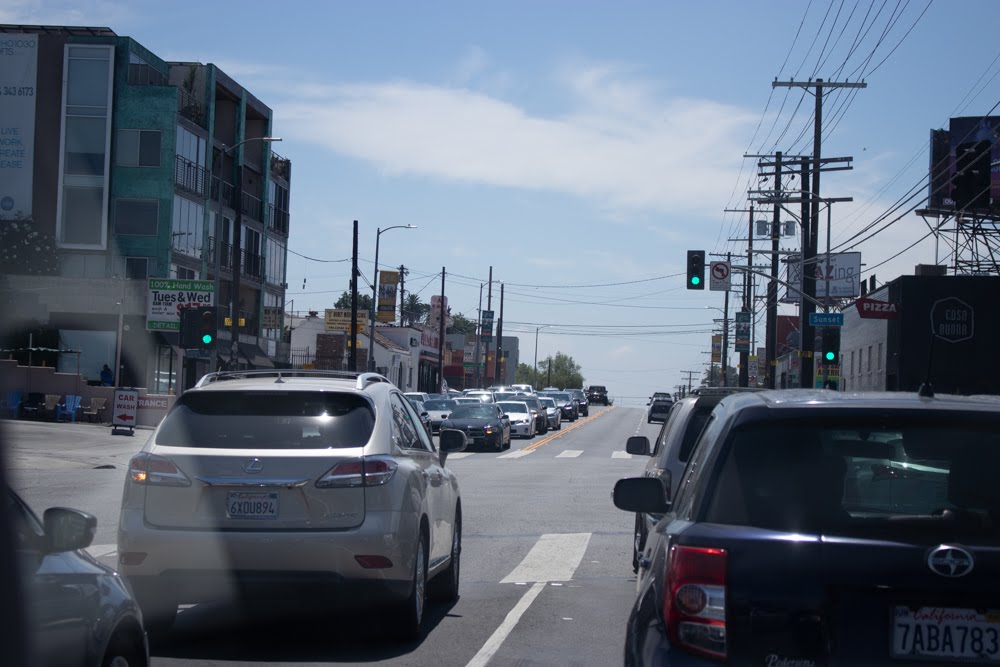
Drivers leaving the expressway are still moving at highway speeds when they suddenly enter busy city intersections. There is very little space to slow down. At places like Broad and Vine, drivers may be dealing with turning cars, buses, and pedestrians all at once.
At 9th and Vine, multiple ramps and surface streets come together in one tight intersection. Several traffic movements share the same light cycle, which increases the risk of confusion and collisions.
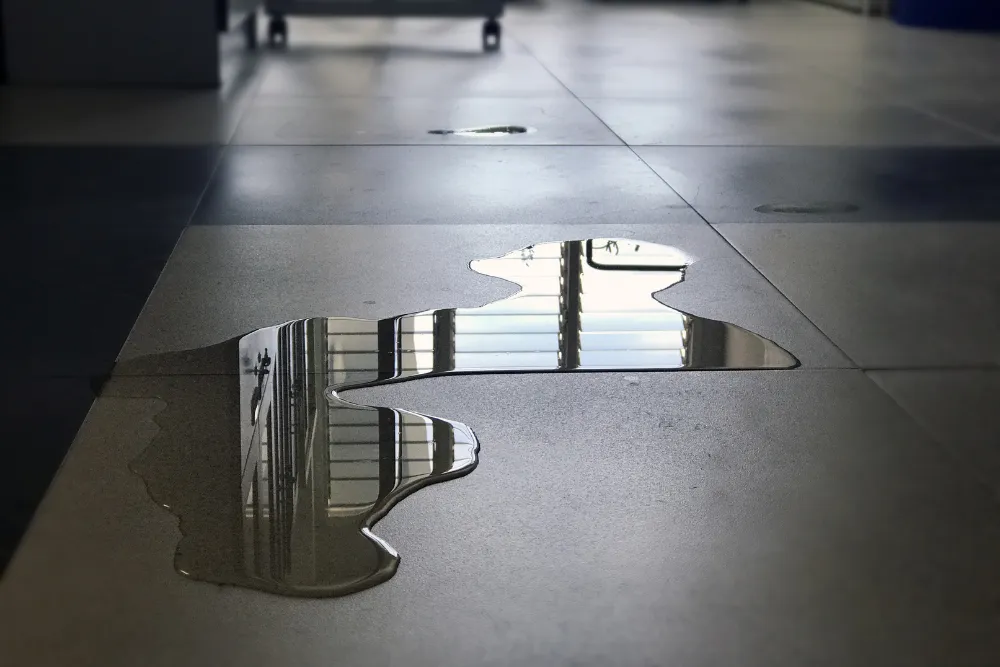
The trench also sits at a low point in the city. During heavy rain, water can collect and flood parts of the expressway. When this happens, traffic is pushed onto nearby streets like Race, Vine, and Spring Garden, which are already high-crash areas under Philadelphia’s Vision Zero plan.
Weather and Traffic Conditions Make the Trench Even More Unpredictable
Conditions inside the Vine Street Expressway trench can change quickly, which adds another layer of risk for drivers. Because the highway sits below street level, rainwater and runoff tend to collect in low spots. During heavy storms, visibility can drop, and pavement can become slick, especially near on-ramps and exit points. When flooding or standing water occurs, drivers are often forced to slow suddenly or merge without much warning.
Traffic patterns also shift during rush hours, special events at the Convention Center, or incidents that block part of the expressway. When the trench backs up, cars are pushed onto nearby surface streets like Race Street, Vine Street, and Spring Garden Street, increasing congestion and the chance of rear-end and intersection crashes.
These changing conditions make an already complex roadway even harder to navigate safely, especially where high-speed expressway traffic meets local city intersections.

Nearby Streets Add Even More Risk
The danger does not stop at the highway ramps. Just a short walk north, busy nightlife and restaurant traffic add more pedestrians to already complex intersections. Streets like 12th, 13th, and Callowhill also have unusual angles created by older rail lines and infrastructure like the Reading Viaduct. These angles can make it harder for drivers to see people crossing the street.
As a result, crashes often happen not only on the expressway but also on nearby surface streets where highway traffic spills into local neighborhoods.

Investigating a Vine Street Expressway Crash in Callowhill, Philly
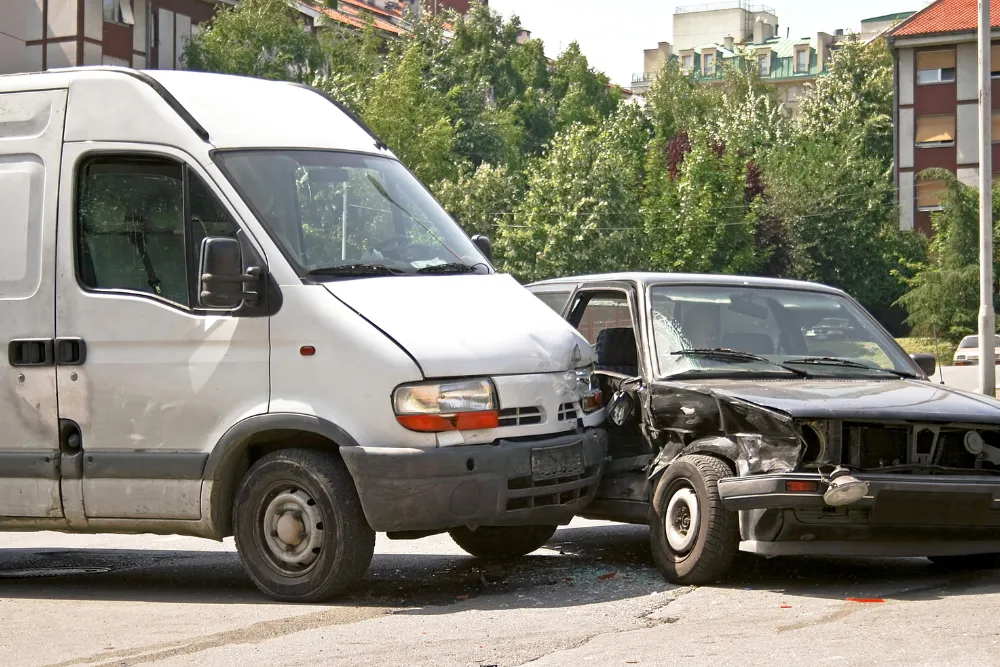
One of the most difficult parts of these cases is figuring out exactly where and how the crash happened. A collision may start on the expressway but end on a surface street. A driver might exit the ramp, strike another vehicle, and cause a chain reaction that continues several blocks away. Police reports often list only one location, which may not tell the full story.
Evidence often comes from many sources. Nearby businesses, bus stops, and pedestrians frequently witness crashes. Cameras from buildings, traffic signals, and vehicles can also help rebuild what happened.
Because the expressway is managed by PennDOT and nearby roads are controlled by the City of Philadelphia, multiple agencies may be involved when road design or maintenance plays a role.
Important Legal Deadlines in Philadelphia
In Pennsylvania, most personal injury cases must be filed within two years of the crash.
However, cases involving government agencies have much shorter deadlines. Claims against the City of Philadelphia or PennDOT require written notice within six months. Missing these deadlines can prevent a case from moving forward.
Callowhill, Philadelphia Vine Street Expressway Accident FAQs
- Who Can Be Responsible After a Crash on I-676?
The other driver is often the main responsible party, but in some cases, road design, signage, or maintenance issues may involve PennDOT or another government agency.
- Are SEPTA Bus Crashes Treated Differently?
Yes. SEPTA is a public agency, so cases involving buses follow special rules. These include the same six-month notice requirement for claims against government entities.
- What Evidence Is the Most Important After a Crash?
Photos of the scene, witness information, police reports, traffic camera footage, and vehicle data can all help show what happened. Weather and road conditions are also important in these cases.
Talk to Our Callowhill, Philadelphia, Personal Injury Lawyers at Rand Spear – The Accident Lawyer About Your Crash
If you were hurt while driving on the Vine Street Expressway, reach out to our Callowhill, Philadelphia, personal injury lawyers at Rand Spear – The Accident Lawyer. Call 215-985-0138 or fill out our online form to schedule a free, no-obligation consultation. Located in Philadelphia, as well as Cherry Hill and Marlton, NJ, we assist clients throughout Pennsylvania and New Jersey.
Call or text (215) 985-2424 or complete a Free Case Evaluation form