

Chinatown Slip and Fall Accident Lawyers
Philadelphia’s Chinatown is a historic Center City neighborhood located around 10th and Arch Streets, stretching toward Vine Street and Broad Street. Known for its restaurants, markets, and cultural institutions, the area sees steady pedestrian traffic from residents, workers, and visitors every day. With busy sidewalks, older infrastructure, and ongoing redevelopment nearby, walking conditions can change quickly. In this neighborhood, uneven pavement, crowded storefronts, and construction zones increase the risk of slip, trip, and fall accidents.
Falls are a serious issue nationwide. The Centers for Disease Control and Prevention reports that falls are the leading cause of injury among adults age 65 and older, with millions of older Americans injured in falls each year. In a dense, walkable neighborhood like Chinatown, those risks are part of daily life for many people moving through the area.
With a proven record of $1 billion in settlements and verdicts, Rand Spear – The Accident Lawyer brings deep local knowledge of Philadelphia neighborhoods and understands how property conditions in places like Chinatown contribute to serious fall injuries. To understand why slip and fall risks show up in Chinatown, it helps to look at how the neighborhood developed and how people move through it today. Its history and community life shape many of the fall-related hazards pedestrians face.
Chinatown’s History, Street Life, and Slip and Fall Risk Factors
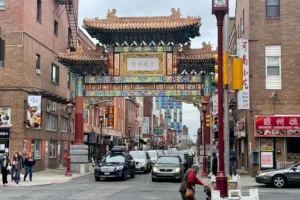
Philadelphia’s Chinatown has grown into one of Center City’s most energetic neighborhoods, shaped by decades of small business development, cultural institutions, and steady daily foot traffic. Centered around streets like Arch, Race, 10th, and 11th, the area blends historic storefronts with newer construction and public spaces. The Friendship Gate is one of the city’s most photographed landmarks, and the neighborhood also hosts one of the largest Lunar New Year celebrations, drawing crowds from across Philadelphia. Several blocks still follow early 20th-century curb and sidewalk layouts, which explains why walking surfaces vary so much from one corner to the next.
The Chinatown Stitch project near Vine Street has created a constantly changing streetscape, with temporary walkways and barriers guiding pedestrians through construction zones. At the same time, recent changes to city rules have made outdoor dining more common. The neighborhood’s original granite block curbs, which were built to last and still line parts of Chinatown today, though years of foot traffic have polished them down smoothly With high-volume destinations like the Fashion District nearby and busy businesses such as Hung Vuong Food Market, Ho Sai Gai Restaurant, and neighborhood bakeries along Arch and 10th Streets, these layers of old and new concentrate a lot of movement into a compact area.
Community organizations play an active role in keeping Chinatown thriving. The Philadelphia Chinatown Development Corporation runs Clean and Safe programs that monitor street conditions, while Asian Americans United focuses on student safety around local schools and community spaces. In such a lively, well-loved neighborhood, the same features that make the area inviting also shape where slip and fall hazards tend to occur.
From Sidewalks to Stores: Slip and Fall Claims We Handle in Chinatown
Chinatown’s dense foot traffic and aging infrastructure increase slip and fall risks. We know Philadelphia property maintenance rules, including sidewalk repair and snow removal, and handle complex slip and fall claims:
- Transit Hubs and Bus Stops: The Chinatown SEPTA stop at 8th Street at Race Street sees high foot traffic, and wet or icy surfaces during rain or snow increase the risk of slips.
- Apartment Buildings: Older residential complexes along streets like Cherry and Arch can have broken steps, poorly maintained floors, or debris in hallways that pose risks to tenants and visitors.
- Stairwells: Public and private stairways, including the stairs leading to the Ridge-Spurgeon Septa line, are a primary site for falls. In 2026, aging handrails and moisture tracking in from the street make the 10th and Vine entrance a high-risk area.
- Restaurants and Corner Stores: Many Chinatown restaurants use these original metal doors for basement deliveries. Without modern anti-slip coatings, they are statistically the most dangerous surfaces in the neighborhood during rain or frost.
- Supermarkets and Grocery Stores: These Chinatown stores, such as Asianfresh Food Market and HMart, might have hazards like wet floors, spilled produce, or uneven floor tiles that cause slip and fall accidents.
- Sidewalks and Curbs: Many of Chinatown’s sidewalks sit atop century-old basement vaults that extend under the street. This leads to “pavement depressions” where the ground sinks or shifts over time, creating hazards barely visible to the naked eye.
Watch Your Step: Other High-Risk Walking Areas in Chinatown
Chinatown is bustling with activity, and while many streets are vibrant and full of life, certain areas pose hidden slip and fall hazards. From crowded markets to iconic landmarks, pedestrians face risks from uneven sidewalks, wet surfaces, and unexpected obstacles. Knowing where these danger zones are can help you stay safe—and understand where liability may arise if an accident occurs:
- The Pennsylvania Convention Center: High traffic from thousands of visitors creates slip risks. Hallways and perimeter sidewalks are monitored by security, but liquid spills from large events remain a constant hazard. Falls on property maintained by the Convention Center or City generally require a formal Notice of Claim within six months.
- Friendship Gate Distractions: This intersection of 10th and Arch draws tourists posing for photos. Many walk backward while taking selfies, frequently tripping over sidewalk vents, uneven pavement, or curb edges.
- Reading Terminal Market (12th & Arch Border): Heavy foot traffic between the Market and Chinatown creates high-wear zones. Loose floor mats, worn steps, and crowded entrances are common sites for falls.
- 9th & 10th Street Markets: Sidewalk displays of produce and seafood attract pedestrians. Transient hazards such as discarded cabbage leaves, crushed ice, or delivery pallets lead to frequent slip-and-falls.
- The “Steam Grate” Trap: Utility grates vent steam in winter, which refreezes into ice on surrounding surfaces. The grates themselves remain high-traction, but their edges become a skating hazard.
Demand Rand and Stand Strong Against Negligent Property Owners
A slip or trip in Chinatown can lead to serious injuries and unexpected challenges. At Rand Spear – The Accident Lawyer, our family-operated firm moves quickly to document hazards and pursue compensation from negligent property owners.
When local insight makes a difference – Demand Rand!
Answers to FAQ About Chinatown Slip and Fall Accidents
- How Much Is My Chinatown Slip and Fall Case Worth?
The value of your slip and fall case depends on factors like medical expenses, lost wages, pain and suffering, and the severity of your injuries. We evaluate each case individually.
- What Evidence Do I Need for a Slip and Fall Claim?
Important evidence includes photos of the hazard and your injuries, witness contact information, incident reports, medical records, and documentation of any warnings (or lack thereof) at the scene.
- How Long Will My Case Take?
Most slip and fall cases settle within several months to a year. However, complex cases involving severe injuries or disputed liability may take longer to resolve.
- What Do I Have to Pay Upfront for a Slip and Fall?
At Rand Spear – The Accident Lawyer, we have a “no fee until victory” guarantee and free initial personal injury consultations.
Do Not Hesitate to Contact Our Chinatown Slip and Fall Accident Lawyers at Rand Spear – The Accident Lawyer
Property owners must maintain safe premises for all visitors to prevent injuries. When negligence causes your accident, our Chinatown slip and fall accident lawyers at Rand Spear – The Accident Lawyer will fight for you. Call 215-985-0138 or contact us online to schedule your free consultation. We are located in Philadelphia, as well as Cherry Hill and Marlton, NJ, and we serve clients across Pennsylvania and New Jersey.