


Spring Garden, Philadelphia Slip and Fall Accident Lawyers
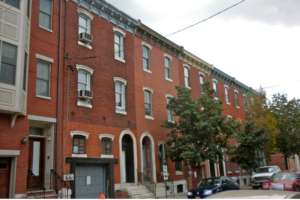
Spring Garden has brick row house blocks and steady foot traffic along Fairmount Avenue toward Eastern State Penitentiary. The inside streets still have granite curbs and 1800s stone sidewalk slabs. These old surfaces, plus rain and ice, make falls common.
At Rand Spear – The Accident Lawyer, our attorneys have more than 200 years of combined experience. We have recovered over $1 billion for injured clients. Our Spring Garden, Philadelphia, slip and fall accident lawyers know how to hold negligent property owners accountable.
Spring Garden, Philadelphia: Background and Slip and Fall Risks That Exist Today
Spring Garden’s walking surfaces tell its history, but they also help explain why slip and fall accidents remain a recurring risk in the neighborhood. The district was incorporated on March 22, 1813, and by 1850, according to the Spring Garden Civic Association, it ranked ninth on the U.S. Census list of largest American cities. Spring Garden joined Philadelphia in 1854. While that history is part of its character, it also means many of the area’s walkways were built long before modern safety standards existed.
The brick and brownstone row houses on today’s interior blocks were built between 1850 and 1876, and the granite curbs and stone-slab sidewalks from that era are still in place. Spring Garden joined the National Register of Historic Places in 2000, and many slabs were never fully replaced. From a slip and fall perspective, those uneven elevations, worn joints, and aging materials can create trip hazards that develop gradually over time and are not always obvious to pedestrians until an injury occurs.
Foot traffic also plays a role. Fairmount Avenue leads visitors toward Eastern State Penitentiary, which draws close to 220,000 visitors a year. Most of that traffic crosses slabs where the abutting owner handles repairs. Nearby neighborhood spots like Sabrina’s Cafe also draw steady daily foot traffic, adding to the mix of pedestrians navigating older, uneven sidewalk slabs throughout Spring Garden.
Modern fixes have not erased old patterns. The SEPTA Spring Garden Station was modernized in 2011, but sub-grade staircases still collect water and wear from constant use. PennDOT rebuilt the I-676 overpass bridges from 2015 to 2021, yet the sidewalks at each end remain owner-maintained. These transitions between new infrastructure and older pedestrian pathways are where many slip and fall incidents tend to occur, particularly when surface conditions change unexpectedly from one block to the next.
For residents and visitors, this mix of historic construction and modern traffic underscores why slip and fall claims in Spring Garden often require careful investigation of both maintenance responsibility and long-standing structural conditions—something our firm understands from handling cases throughout Philadelphia’s older neighborhoods.
Complex Slip and Fall Cases We Handle in Spring Garden, Philadelphia
Slip and fall claims in Spring Garden often turn on who owned the surface. Philadelphia law says the owner of the property next to a sidewalk must keep it in safe repair. The owner can also be on the hook if they knew, or should have known, about a hazard and did nothing. That rule is called premises liability. The property types our team most often reviews:
- Transit Hubs and Bus Stops: The Spring Garden Station on the Broad Street Line at 500 N. Broad Street has below-street staircases that collect water and ice. SEPTA bus stops on Spring Garden Street and Fairmount Avenue place riders between curbs and uneven asphalt.
- Apartment Buildings: Three-story brownstones turned into multi-unit rentals have stone stoops that were not built for today’s heavy foot traffic. Lobbies become fall sites when landlords skip basic upkeep.
- Stairwells and Entryways: Many buildings have stone front steps with old handrails that wobble or sit too low. Basement stairs often lack lighting or non-slip strips.
- Restaurants and Corner Stores: Spots along Fairmount Avenue and Spring Garden Street draw weekend crowds, with wet mats and patio thresholds.
- Supermarkets and Grocery Stores: Whole Foods and Trader Joe’s draw shoppers, and wet aisles and lot cracks create risk.
- Sidewalks and Curbs: Mid-1800s brick and granite walks are kept up by the owner next door, and cracks and tree-root heaves are widespread.
High-Risk Walking Areas and Additional Hazards in Spring Garden, Philadelphia
Several corridors generate more claims because of foot traffic, surface age, or weather:
- Spring Garden Street: The Spring Garden Street Improvement Project flags intersections for upgrades, but sidewalk gaps remain.
- Broad and Spring Garden: Pedestrians cross four lanes between the SEPTA station and Community College of Philadelphia at 1700 Spring Garden Street, where below-street staircases collect winter ice.
- Fairmount Avenue: The tourist approach to Eastern State Penitentiary runs over 1850s brick with tree-root heaves.
- I-676 Pedestrian Bridges: PennDOT bridge decks at 18th, 19th, 21st, and 22nd Streets meet owner-maintained sidewalks.
- Community College of Philadelphia Walkways: Class-change windows send students across the 17th and Spring Garden corner.
Other hazards also drive claims on specific blocks:
- Snow and Ice on Shaded Blocks: Streets near the Schuylkill River trap cold air and slow snowmelt.
- Uneven Spots Where I-676 Bridges Meet the Sidewalk: Rebuilt decks are newer than the slabs at each end, leaving uneven transitions.
- Worn Steps and Sidewalks at Spring Garden Station: Stair treads and street-entrance sidewalks at the Broad Street Line station show commuter wear.
Demand Rand for Local Slip and Fall Experience in Spring Garden, Philadelphia
A serious fall can happen in seconds, but the impact lasts for months. According to the CDC, the death rate from falls for adults 65 and older rose 21% from 2018 to 2024 (after adjusting for age differences). Falls are the number-one cause of injury deaths in that age group. Our Spring Garden team checks the surface, who owns each section of sidewalk, and whether the owner has had prior warnings. With over $1 billion recovered for our clients, demand more of our claim – Demand Rand!
FAQs: Slip and Fall Accidents in Spring Garden, Philadelphia
- How Long Do I Have to File a Slip and Fall Claim in Spring Garden, Philadelphia?
Pennsylvania’s statute of limitations (the legal deadline to file a claim) gives most slip and fall victims 2 years from the date of the fall. If a government body is responsible, such as the City, PennDOT (for an I-676 bridge), or SEPTA (for the Spring Garden Station), you must give written notice within 6 months.
- Who Is Responsible for Sidewalk Repair on a Spring Garden Residential Block?
Under the Philadelphia Department of Streets, sidewalks and driveways belong to the owner of the property next to the sidewalk. Philadelphia Code §11-505 places the duty to keep the sidewalk in safe repair on that owner, not the city.
- What Should I Do After a Fall on a Spring Garden Sidewalk?
Seek medical attention as soon as possible, even when the injury feels minor. Photograph the surface, gather witness contact information, and report the hazard to the owner or Philly311.
- How Much Is a Slip and Fall Accident Claim?
At Rand Spear – The Accident Lawyer, we have a “no fee until victory” guarantee.
Talk to Our Spring Garden, Philadelphia, Slip and Fall Accident Lawyers at Rand Spear – The Accident Lawyer Today
Did you slip or fall on a Spring Garden sidewalk, in an apartment lobby, or at the SEPTA station? Reach out to our Spring Garden, Philadelphia, slip and fall accident lawyers at Rand Spear – The Accident Lawyer. We help injured neighbors pursue medical bills, lost wages, and pain and suffering through our Philadelphia slip and fall practice. Call 215-985-0138 or contact us online to schedule your free, no-obligation consultation. Located in Philadelphia, as well as Cherry Hill and Marlton, NJ, we assist clients throughout Pennsylvania and New Jersey.