


Walk through Callowhill near Spring Garden Street and Ridge Avenue, and the neighborhood’s industrial past is still built into what you see underfoot. Heavy brick buildings, old granite curbs, and worn entry steps remain from a time when this area was designed for factories, freight, and rail traffic, not modern apartment living.
Today, those same structures are loft apartments, studios, offices, and small businesses. People move through them constantly, heading to cafés, local restaurants, or nearby destinations like the Rail Park. However, many of the walking surfaces they use every day were never designed for that kind of foot traffic.
Slip and fall injuries are a major public safety issue across the United States. According to the Centers for Disease Control and Prevention (CDC), about 1 in 4 adults aged 65 and older report falling each year, resulting in millions of fall-related injuries annually. That risk becomes even more serious in older neighborhoods like Callowhill, where historic buildings were not originally designed for modern residential and commercial use.
At Rand Spear – The Accident Lawyer, our team regularly handles cases involving older industrial buildings across the city. We understand how aging construction and modern use can collide in dangerous ways. With more than 200 years of combined legal experience and over $1 billion recovered for injured clients in Pennsylvania and New Jersey, we work to hold negligent property owners accountable when unsafe conditions cause harm.
How Callowhill Loft Buildings Inherited Their Fall Hazards
Many of the buildings in Callowhill were constructed between the late 1800s and early 1900s. They were originally used for warehouses, printing operations, and manufacturing connected to Philadelphia’s rail and shipping industries.
When these buildings were later converted into loft-style apartments and mixed-use spaces, much of the original structure remained in place. That includes stairwells, hallways, and former loading areas that were designed for industrial use, not daily residential or commercial foot traffic. As a result, many buildings still include features such as:
- Staircases with uneven or non-standard step heights.
- Handrails that are outdated or not aligned with modern safety expectations.
- Narrow stairwells that were not designed for two-way pedestrian traffic.
- Original flooring that has been refinished but not fully replaced.
Even when these spaces are renovated, the underlying structure often remains unchanged. That means residents and visitors may be walking on layouts that were never intended for frequent, everyday use.
Loading dock entrances are another example. These areas were once used for deliveries and freight movement. In many buildings, they now serve as residential or commercial entry points without clear visual separation between walking space and level changes.

Hidden Hazards in Callowhill Loft Buildings That Often Go Unnoticed
Not every dangerous condition in a Callowhill loft building is obvious. In fact, many of the most serious slip and fall risks are the ones people walk past every day without realizing there is a problem. Older buildings often develop issues gradually. Because tenants and visitors become familiar with the space, small changes can go unnoticed until an accident happens.
One common issue is gradual stair wear. Over time, stair edges can become rounded, chipped, or uneven. These changes may not look severe, but they can affect how securely a foot lands on each step.
Uneven flooring is another hidden risk. Many loft buildings still contain original industrial floors that were patched or refinished instead of fully replaced. This can create slight height differences between floor sections or transitions that are not clearly marked.
Lighting is also a major factor. Some stairwells and hallways rely on outdated or insufficient lighting systems. Dim areas, shadows, or inconsistent lighting can make it harder to see changes in floor level or surface condition.
In addition, past repairs can sometimes introduce new risks. A stair tread replacement, floor patch, or partial resurfacing may not perfectly match surrounding materials. These small inconsistencies can create unexpected points of instability.
High-traffic shared spaces, like entry halls and interior corridors, can also develop worn or shifting flooring over time. Even a small movement on a surface can affect balance when someone steps on it.
The main concern in many Callowhill slip and fall cases is not a single major defect, but a combination of smaller issues that build up over time. Individually, they may seem minor. Together, they can create a serious hazard for anyone using the space normally.
Why Property Owner Responsibility Matters in Callowhill, Philly Slip and Fall Cases
Under Pennsylvania law, slip and fall cases often depend on whether a property owner knew or should have known about a dangerous condition. This is known as “constructive notice.” In simple terms, it asks whether a reasonable inspection of the property would have revealed the hazard before someone was injured.
Common hazards in these cases include:
- Broken or uneven stairs
- Poor lighting in hallways or stairwells
- Damaged or worn flooring
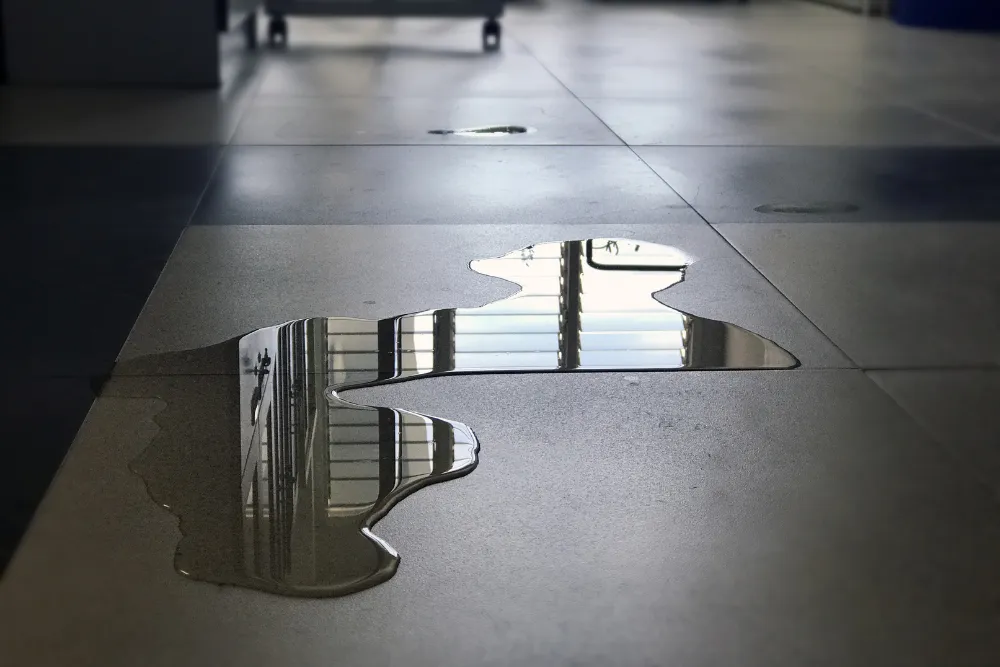
- Leaks or moisture issues that affect walking surfaces
- Debris or maintenance issues left unresolved
Property owners and managers are expected to regularly inspect and maintain their buildings. In loft conversions, this responsibility is especially important because older industrial structures may develop issues over time that are not immediately visible.
Depending on the situation, liability may extend beyond the building owner. Maintenance companies, contractors, or tenants may also share responsibility if their actions contributed to the unsafe condition.
Sidewalk-related falls can also be more complex. In Philadelphia, adjacent property owners often have a duty to maintain sidewalks next to their buildings. In some cases, the City or other parties may also be involved, depending on where the fall occurred. Because multiple parties may share responsibility, early investigation is often important.

Where Foot Traffic and Older Surfaces Meet in Callowhill, Philadelphia
Callowhill has become a busy residential and commercial neighborhood. Areas near Spring Garden Street and North 12th Street see steady pedestrian traffic throughout the week, especially in the evenings.
Local cafés, restaurants, and gathering spots like Punch Line Philly bring people into the neighborhood regularly, and destinations like the Rail Park add even more foot traffic.
The Rail Park, built along a former elevated rail line, includes stair access points and walkways that sit above street level. These structures are exposed to constant use, which can lead to gradual surface wear over time.
Nearby transit entrances and older building access points also see heavy use. In some cases, limited lighting or aging construction can make changes in floor level or surface condition harder to notice.
This creates a unique environment where modern pedestrian activity meets infrastructure built for a completely different purpose.

Common Questions About Slip and Fall Cases in Callowhill, Philadelphia
- Who Is Responsible if I Fall in a Loft Building?
Responsibility may fall on the property owner, building manager, maintenance company, or sometimes a contractor or tenant. In certain cases, the City may also be involved if the fall happened on public property.
- How Long Do I Have to File a Claim in Pennsylvania?
In most cases, you have two years from the date of injury to file a personal injury claim. If a government entity is involved, there may be shorter notice requirements that apply.
- What Evidence Matters Most After a Fall?
Important evidence includes:
- Photos of the exact location and condition.
- Contact information for witnesses.
- Medical records from immediately after the incident.
- Any prior complaints or maintenance records about the hazard.
Did You Slip and Fall in Callowhill? Talk to Our Callowhill, Philadelphia Slip and Fall Lawyers at Rand Spear – The Accident Lawyer Today
If you were hurt after slipping and falling, reach out to our Callowhill, Philadelphia slip and fall lawyers at Rand Spear – The Accident Lawyer. Call 215-985-0138 or contact us online to schedule a free, no-obligation consultation. Located in Philadelphia, as well as Cherry Hill and Marlton, NJ, we assist clients throughout Pennsylvania and New Jersey.
Call or text (215) 985-2424 or complete a Free Case Evaluation form