


The “streeteries” that line Walnut, 18th, and 19th around Rittenhouse Square sit on wood-and-steel platforms built into what used to be the parking lane. Diners step up onto the deck on the way in and back down on the way out. 
Two surface transitions per visit, on a threshold most patrons never inspect. Wet wood loses traction quickly after rain. Deck boards swell unevenly with humidity. Grease and food debris collect in the seams between boards. And the seam where the brick sidewalk meets the platform edge is the single most overlooked hazard on the block. The platform is two centuries newer than the sidewalk it meets, and the meeting point is where most falls happen.
If a fall on a streetery deck or at the curb-to-platform transition left you injured, you are not alone in trying to figure out who is responsible. Rand Spear – The Accident Lawyer can review the surface conditions, the platform’s licensing record, and the chain of liability between operator and property owner. Our practice handles slip and fall cases throughout Center City, with a focus on the premises-liability questions the streetery program raises.
Two Walking Surfaces in One Step
Walking the streets around Rittenhouse Square, you cross more than a century of city planning in twenty steps. The brick sidewalks that line Spruce, Pine, Locust, and Walnut sit inside the Rittenhouse-Fitler Historic District Manual protections that lock in the walking surface.
A few feet farther, you may step onto the wooden deck of a streetery built into the former parking lane under Philadelphia’s Outdoor Dining Program. Two surfaces from two centuries, often within ten feet of each other.
The streeteries draw heavy weekend dinner traffic and even heavier crowds during the Center City District Open Streets 2026 Sundays that close Walnut from Broad to 19th. Open Streets averages roughly 10,000 visitors per event with a 27 percent jump in pedestrian activity. The platforms absorb thousands of unfamiliar walkers in an afternoon.

The Wood-Deck Hazards Most Diners Do Not See
Wood deck boards behave nothing like brick or concrete. They swell after rain. They develop polished spots where chairs scrape. Grease and food debris collect in the seams between boards, and flat-bottomed shoes catch the seam at exactly the wrong moment.
The risk peaks when a server and a guest stepping back from a table share the same square foot of platform, or when a diner exits in low light at the end of the night. The streetery operator carries the duty for the deck surface, the threshold, drainage, and the platform’s lighting at night under the Philadelphia Streetery License Guide.
That duty applies whether the platform is two months old or two seasons old. According to the CDC, more than one in four adults age 65 and older falls each year, and the older walker stepping onto a streetery deck for the first time has no muscle memory for the threshold rise or the deck-board geometry.
Where Sidewalk Meets Platform
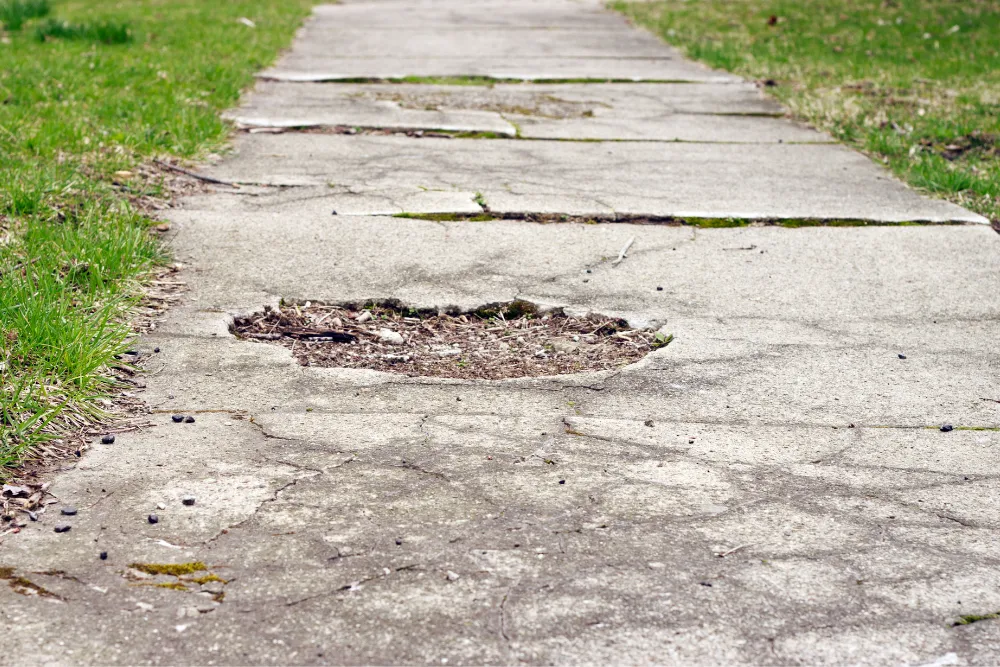
The transition from the brick sidewalk to the streetery platform is the single most overlooked piece of fall risk on the block. A brick course that has heaved up by an inch sits next to a platform edge that was leveled when the streetery was built. The gap between them is exactly where a foot lands at the end of a stride.
Diners stepping onto the deck do not look down. The seam takes on the load of thousands of unfamiliar walkers in an afternoon, especially after Open Streets crowds spill off the closed roadway. When a fall happens on the seam, it is rarely the platform operator’s fault or the abutting property owner’s fault. Both are usually involved, and the legal question turns on which surface failed and where the foot actually landed.

Who Is Liable for a Streetery Fall in Rittenhouse Square, Philly?
Philadelphia City Code places the duty to grade, pave, and maintain the public sidewalk on the adjacent property owner, not the City. The Philadelphia Department of Streets — Maintenance page confirms the City does not own or maintain the walking surface in front of a private rowhouse, condo, or restaurant.
Streeteries change the picture for the deck itself as the platform sits in the former parking lane under a city license issued to the restaurant, and the operator carries the duty for the deck surface, the threshold, drainage, and the platform’s lighting. When a fall happens on the seam, both parties may share responsibility, and untangling who answers for what is exactly the work that opens the claim.
Pennsylvania gives you two years from the date of the fall to file a personal injury lawsuit. At Rand Spear – The Accident Lawyer, our Rittenhouse Square slip and fall accident lawyers work the operator’s license terms, the maintenance log, the property owner’s records, and the specific surface conditions at the time of the fall to identify each responsible party.

Rittenhouse Square, Philadelphia Streetery Fall FAQs
-
Who Is Responsible if I Slip on a Streetery Deck on Walnut or 18th Street Around Rittenhouse Square, Philadelphia?
The streetery operator is responsible for the platform’s deck condition, drainage, lighting, and the curb-to-deck transition under the Philadelphia Streetery License Guide. Liability follows the surface where the fall occurred. A fall on the deck itself or on the threshold between the deck and the sidewalk pulls the restaurant into the analysis.
-
What if I Fell on the Seam Between the Brick Sidewalk and the Streetery Platform?
That seam is the most common fall point and often involves shared liability. Philadelphia City Code places sidewalk maintenance on the property owner abutting the sidewalk. The streetery operator is responsible for the deck and the threshold under the city license. A fall right on the seam can pull both parties into the analysis, depending on which surface failed.
-
How Long Do I Have to File a Lawsuit After a Streetery Accident in Rittenhouse Square, Philadelphia?
Under Pennsylvania law, you have two years from the date of the fall to bring a personal injury claim. The responsible parties on streetery platforms are private restaurant operators and private property owners, not government agencies. The standard two-year deadline applies, without the shorter notice rules that attach to city or state property.
Talk to a Rittenhouse Square, Philadelphia Slip and Fall Accident Lawyer at Rand Spear – The Accident Lawyer
If you fell on a streetery deck, at the curb-to-platform threshold, or on the seam between the brick sidewalk and a platform, our Rittenhouse Square, Philadelphia slip and fall accident lawyers at Rand Spear – The Accident Lawyer can review what happened and explain your options. Call 215-985-0138 or contact us online to schedule a free consultation. With offices in Philadelphia, Cherry Hill, and Marlton, NJ, we serve clients throughout Pennsylvania and New Jersey.
Call or text (215) 985-2424 or complete a Free Case Evaluation form